

DIVERGE DIGITAL
Our articles translate complex legal and commercial developments into practical takeaways you can actually use in real-world negotiations, growth decisions, and your long-term business success.
the blog
Practical legal and business insight for people building brands, content, and companies online.
Browse by topic
AI misuse, governance, digital risk, platform developments.
Corporate structuring, risk planning, scaling and commercial strategy.
Contract clauses, deal red flags, negotiation strategy.
Brand deals, influencer issues, sponsorships, talent matters.
Film, television, music, streaming, sports/media developments.
Brand ownership, copyright, trademark protection, licensing.
Platforms, Content Ownership, and Creator Rights
Social platforms give creators reach, but they also control the rules, licenses, and AI features that can reshape who benefits from public content and creator likeness.

Apple’s Sues OpenAI: Trade Secrets, NDAs, and AI Training Data
Apple’s lawsuit against OpenAI highlights how trade secrets, NDAs, and unauthorized AI training data now collide in product development and business risk.

Muse Image: Why Meta’s new AI feature only lasted 72 hours
Meta’s launch of Muse Image AI image generator triggered backlash from talent agencies, unions, and privacy advocates, prompting suspension after only three days on the market.

7-Eleven v. Nike: What sneakers say about trademarks and brand identity
A new 7-Eleven v. Nike lawsuit highlights how trademark law can reach far beyond logos, serving as a timely reminder to clear colour, design, and branding before launch.

Intro to the Creator Economy
The creator economy is the ecosystem of people who build an audience online and turn attention, trust, and content into value.

Bill C-36: Canada tackles deepfakes and surveillance pricing
Canada’s new Bill C-36 is pitched as a privacy reset for the AI era. But its treatment of deepfakes and surveillance pricing raises a harder question: is Ottawa regulating early enough to prevent harm, or only once the damage is done?
Bill C-34: Canada’s Online Safety Act is Thin on AI Governance
Bill C-34 may regulate chatbots and social media harms, but it does not give Canada the broad AI law businesses, creators, and brands actually need.

Why Canada’s AI law never passed, and what will replace it?
Ahead of Ottawa’s newly introduced Bill C-34, this article breaks the substance of the failed legislation, and why Canada still has no standalone binding AI framework in 2026.

How Creators Can Protect Against AI Misuse
AI can clone your voice and fabricate your likeness in minutes. Taylor Swift's trademark filings signal a new legal frontier.

FIFA World Cup 2026: What Canadian Businesses and Influencers Need to Know
Toronto and Vancouver are gearing up for FIFA this summer, and businesses will be looking for ways to capitalize on the event, but not without risk.

Ontario's STAR Act: What Performers, Creators & Talent Agencies Need to Know
Ontario’s new Bill 105 includes the Strengthening Talent Agency Regulation (STAR) Act introducing real guardrails around how talent agencies handle performers’ money and commissions – but that only solves half the problem.
WBD Takeover (Part VI): Paramount’s $111B Finale and the Future of Media
The long-running saga of Warner Bro.’s search for a partner has reached a definitive conclusion. In a decisive pivot, the WBD board has moved away from Netflix in favour of a superior proposal.

6 Non-Negotiable Contract Clauses Worth $1B
If you’re negotiating a brand deal, sponsorship, or paid content partnership in 2026, you can’t assume the old rules of the Creator Economy still apply.
WBD Takeover (Part V): Paramount’s Extended Hostile Tender
Paramount extended its $108 billion hostile tender offer deadline for WBD by roughly one month after the initial cutoff lapsed. Plus, preliminary proxy materials to solicit shareholders votes against the Netflix deal at the March 20 special meeting.
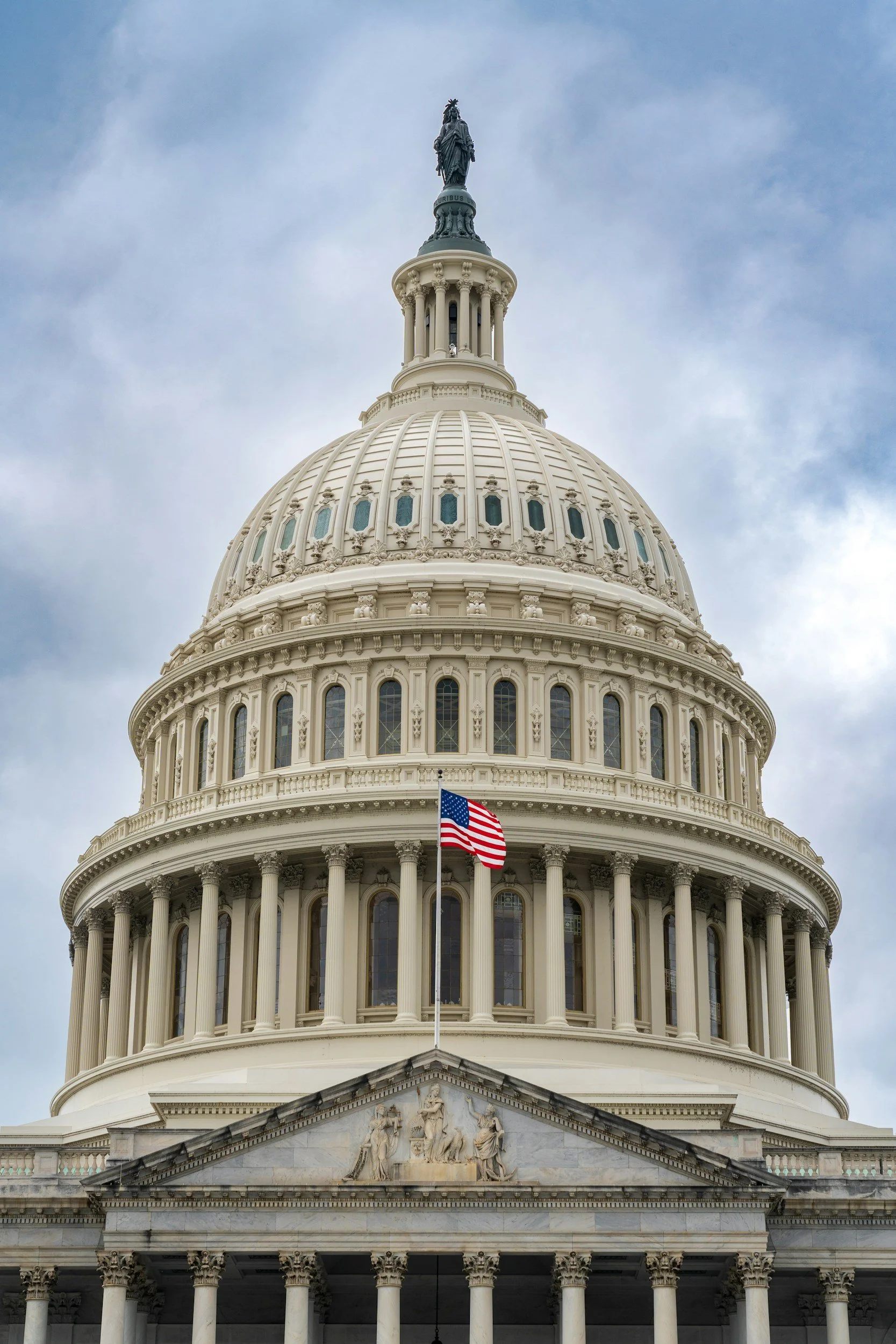
WBD Takeover (Part IV): Paramount’s Letter to U.S. Lawmakers
Paramount’s letter flags Netflix-WBD’s 60% SVOD dominance as “presumptively unlawful,” risking content foreclosure and creator leverage. Key takeaways on release windows, residuals, and monopsony for talent negotiations amid regulatory delays.

WBD Takeover (Part III): The $108B Standoff between Netflix & Paramount
Warner Bros. tells shareholders to reject Paramount’s $108.4B hostile takeover and stick with its binding Netflix deal, sparking fiduciary‑duty and antitrust fights as Netflix and Paramount battle for control of Hollywood’s most valuable IP.

Beyond the $1B Headline: How Disney Turned Its IP into an Equity Play
Disney is being compensated entirely in stock warrants for its character rights. This isn’t just a licensing deal. It is a bet that generative AI will be so valuable that trading immediate IP revenue for upside in the AI company itself is worth the risk.

Disney-OpenAI: Deal Impact on Usage Rights & AI Training in the Creator Economy
Disney’s latest moves with OpenAI and Google quietly reset the baseline for what creators should be asking for in every contract in 2026.
About Diverge Digital
Diverge Legal supports creators, founders, digital brands, and tech-forward businesses with practical advice on contracts, IP, business setup, brand deals, and strategic commercial issues. This blog extends that same approach: clear, current, and grounded in the realities of building online.
Whether you are reviewing a sponsorship agreement, protecting a trademark, navigating AI-related risk, or growing a business online, our goal is to help you spot issues early and approach decisions more strategically.
Reading about a legal issue that affects your business, content, or next deal?
Connect with Diverge Legal for strategic guidance tailored to your goals and the way you work.

-
Diverge Legal by Kicz Legal Professional Corporation (“Diverge Legal” or the “Company”) takes reasonable care to make sure that the information on Diverge Digital (the “blog”) is complete at the time it was posted. However, the information may not be comprehensive or current and is provided for general information purposes only and should not be relied upon for legal advice. You should consult a qualified lawyer on any specific legal question or matter.
Diverge Legal is not responsible and all liability is excluded for any damage or loss due to any reliance upon the information on this blog. Use of the information on this blog is at your own risk.
Links from this blog are provided for convenience, and do not suggest an affiliation with or endorsement by the author or the Company. Diverge Legal is not responsible for the content of external sites that link to this blog or that are linked from this blog.
This blog is for informational purposes only. The content is not legal advice and no lawyer-client relationship is created by accessing or otherwise using this blog or by communicating with the author by email or through this blog. Neither the Company nor the author of the blog guarantee the confidentiality of any communication via email or through this blog.