
FIFA World Cup 2026: What Canadian Businesses and Influencers Need to Know
TORONTO, ON –
Toronto and Vancouver are gearing up for FIFA this summer, and businesses will be looking for ways to capitalize on the event, but not without risk.
For local businesses, brands, content creators, and agencies planning campaigns around the tournament, this may feel all too familiar.
Last year, the Toronto Blue Jays took enforcement against a local bar, offering a very public lesson in how trademark law actually works in real time. The same lesson still applies now, but on an even bigger stage:
enthusiasm does not equal permission, and commercial promotion is not the same thing as ordinary fandom.
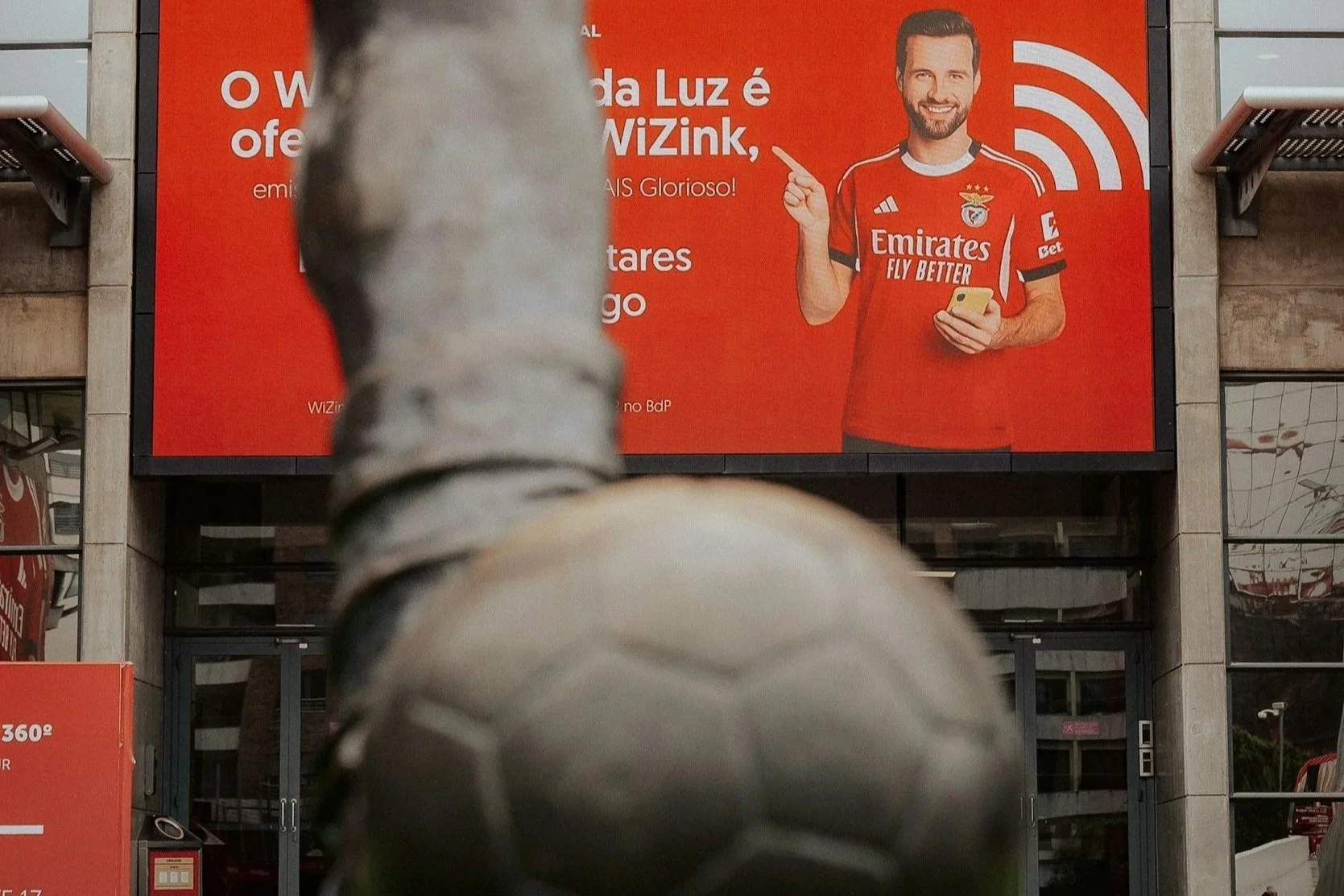
Good intentions vs. commercial use
There is a major difference between cheering on a tournament as a fan and using event-related branding to promote a business.
Most people can post about the matches, wear merchandise they bought, talk about who they are supporting, and join the public excitement without much thought. The issue starts when a business, brand, or influencer uses trade names, logos, slogans, or other protected elements to drive sales, promote a fan-based event, sell tickets, increase engagement, or make a social media campaign look connected to FIFA when it is not.
In other words, posting like a fan is one thing. Posting like an “official” partner is another.
Trademark law is about source, recognition, sponsorship, and affiliation. Using a trademark that suggests some commercial connection, authorization, endorsement, or official relationship where none exists is a huge legal risk.
Where businesses get into trouble
The problem is that many brands and business don’t intend to infringe on another’s intellectual property rights; they may simply want to take advantage of the locally-hosted event, share in the action, bring the community together, and connect with their own clients and customers over a special event. But this is where local businesses tend to drift into risky territory without realizing it.
Common problem areas include:
Using official logos, emblems, or tournament graphics in promotional posts or signage.
Referring to a watch party, event, giveaway, or activation in a way that implies it is officially connected to FIFA.
Using language such as “official,” “approved,” “sponsored,” “partnered,” or similar wording without actual authorization.
Building ad creative, posters, reels, or branded assets that are designed to look like official tournament marketing.
Using hashtags, captions, or campaign language that create the impression of an affiliation rather than simply commenting on a public sporting event.
A restaurant promoting a “summer soccer watch party” is one thing. A restaurant promoting an “FIFA World Cup viewing experience” with branded visuals is another entirely.
The same goes for social posts. It is easy to slip into an infringing area when the goal is to capture attention quickly and borrow some of the energy of a global event. But the more a campaign trades on that brand recognition to attract customers, the more likelihood there is of potential infringement, and the more legal exposure there may be.
Risk for content creators
This is the part that deserves special emphasis.
For creators, the real risk is not only posting the wrong logo or using the wrong words. It is being pulled into a paid brand campaign that falsely suggests some kind of official FIFA relationship.
A brand may approach a creator with a World Cup-themed campaign, an event-related contest or giveaway, a live-viewing activation, or a sponsored series timed to the tournament. That does not automatically mean the brand has the rights it needs. And if the campaign copy, visuals, or deliverables imply that the brand is an official sponsor, approved partner, or authorized collaborator when it is not, the creator can end up attached to a legally problematic promotion with severe financial consequences.
Creators should be especially careful where a brand asks for:
Posts suggesting a partnership with FIFA or the tournament.
Use of official event names, marks, logos, or branded visuals.
Statements implying approval, endorsement, or sponsorship.
Deliverables that resemble official event advertising.
Time-sensitive campaigns where the brand wants content live before rights or approvals are properly confirmed.
Before publishing, creators should confirm what rights the brand actually has, what language is approved, and whether the campaign materials have been legally reviewed. If a brand claims to be an official partner, that should not be taken at face value. It should be verified, and the contract should clearly allocate the risk of promoting that partnership to the brand—not the creator.
Because once the post is live, the distinction between “the brand told me it was fine” and “the campaign was actually authorized” will not be enough.
The goal is not to kill the fun. Businesses are absolutely allowed to join the conversation. Creators are absolutely allowed to post about what they are watching. But neither should market themselves as part of the event or affiliated to the organization unless they actually are.
Brand power and enforcement rights
Being the recipient of and ease and desist letter or takedown demand might feel like overkill.
But it rarely is.
Rights holders do not spend years building valuable brands, sponsorship programs, and licensing systems only to let third parties use that goodwill for free. In the Blue Jays example, the core issue was not whether the bar meant well. It was that the bar used official team branding to promote its business, which is exactly the type of use that brand owners are expected to take action against.
That is especially true where sponsorships are involved. Official partners often pay significant amounts for exclusivity, category rights, promotional rights, and access to event branding. If everyone else can market themselves as though they are connected to the event, even though they aren’t, those official rights become less valuable.
A rights holder that ignores unauthorized commercial use risks weakening the distinctiveness and value of its protected marks over time. Whether the user is a global brand, a local bar, or an eager creator with a strong engagement rate does not change the underlying legal logic or the requirement to enforce its rights against infringers.
Final thoughts…
Celebrate the tournament. Join the moment. But run smart campaigns and market responsibly.
Don’t endorse, promote, or advertise like there’s an official connection when there is not.
For brands, agencies, and creators planning World Cup-related promotions this summer, the legal review should happen before the post goes live, not after the takedown email hits your inbox.
The Diverge Advantage
Diverge Legal assists with brand deal contract review, creator representation, and commercial IP issues affecting creators and modern brands. Where a proposed activation or social media campaign leans on event-related marketing, it’s worth confirming exactly what rights exist, who granted them, and what the campaign is actually allowed to say.
Need help understanding the intricate contracts that govern your creative work, or want to build a strategy to protect your IP long-term? Diverge Legal is here to help.
If you’re ready for representation that understands the difference between a data point and your dream, contact Diverge today.
Read these next





More about DIVERGE
Diverge is not just a legal service provider. We’re your partner in building a legally sound and sustainable content creation business. We understand the unique challenges creators face and offer tailored solutions to protect your intellectual property, ensure regulatory compliance, and minimize legal risks.
Whether you’re an established influencer or an emerging creator, Diverge is here to help you focus on what you do best, while we take care of the legal complexities.
Reach out to Diverge today to learn more about how we can support your content creation journey.
Follow @diverge.legalon social media or subscribe to our newsletter below for more tips on protecting your creative rights and thriving in the creator economy.
Important Notice: The information in this article is provided for general informational purposes only and is not intended as legal advice. Reading this content does not create a lawyer-client relationship. Always seek professional legal counsel tailored to your specific situation. No part of this article may be reproduced or transmitted, in any form or by any means, electronic, mechanical, photocopying, recording or otherwise, or stored in any retrieval system of any nature, without the express written permission of Diverge Legal.
