
TORONTO, ON –
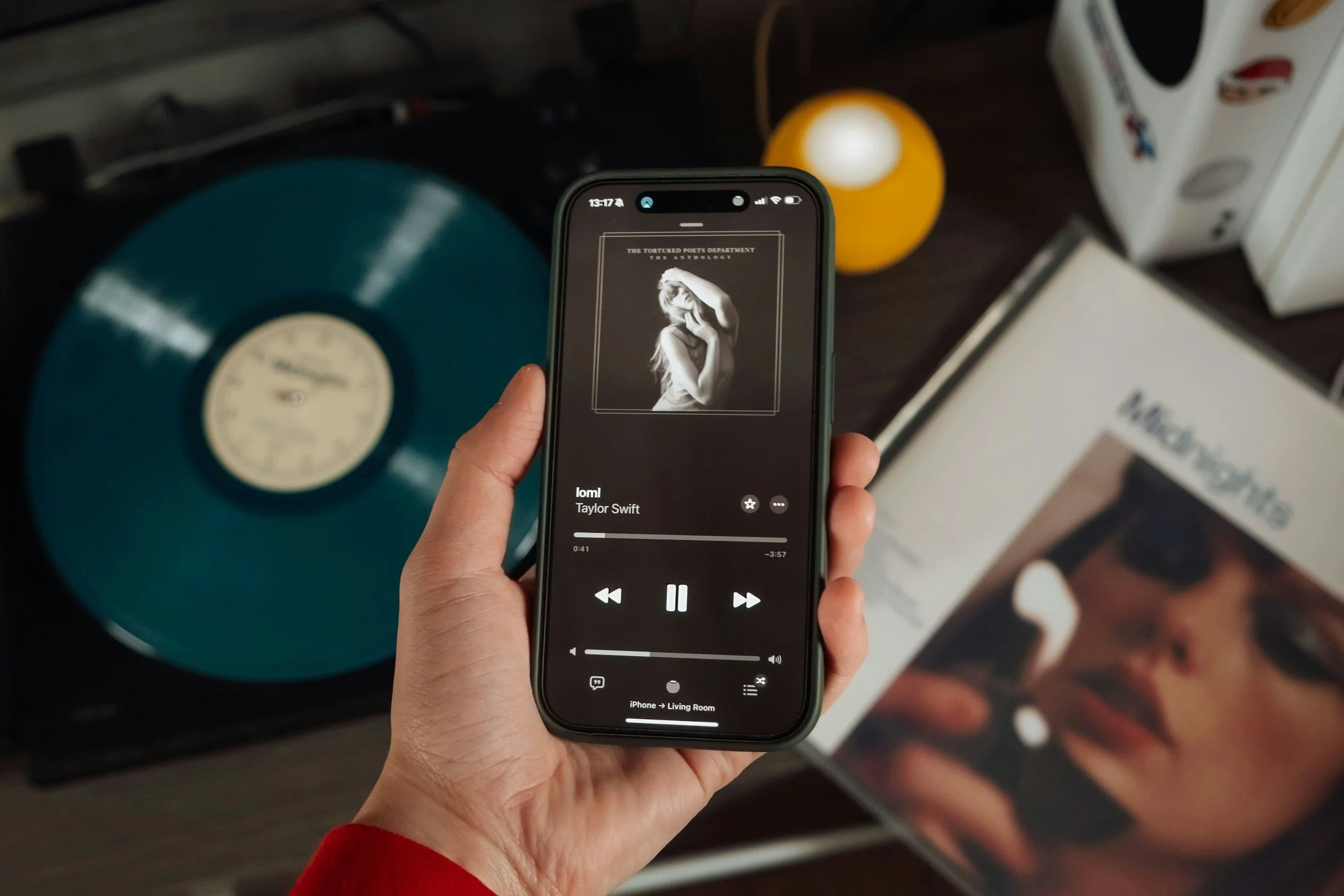
Taylor Swift’s move to trademark specific voice recordings and a highly recognizable performance image is a roadmap for one way creators can defend their identity in an AI world.
Let’s break down what’s happening to some of the world's most recognizable talent, the legal frameworks designed to stop it, and why the law still catching up.
Misappropriation of Personality
A Canadian tort actionable when a person's name, image, likeness, or voice is used for commercial gain — or another's advantage — without their consent.Taylor Swift’s latest move to trademark specific recordings of her voice and a highly recognizable performance image is a roadmap for how creators can defend their identity in an AI world that can clone you in minutes.
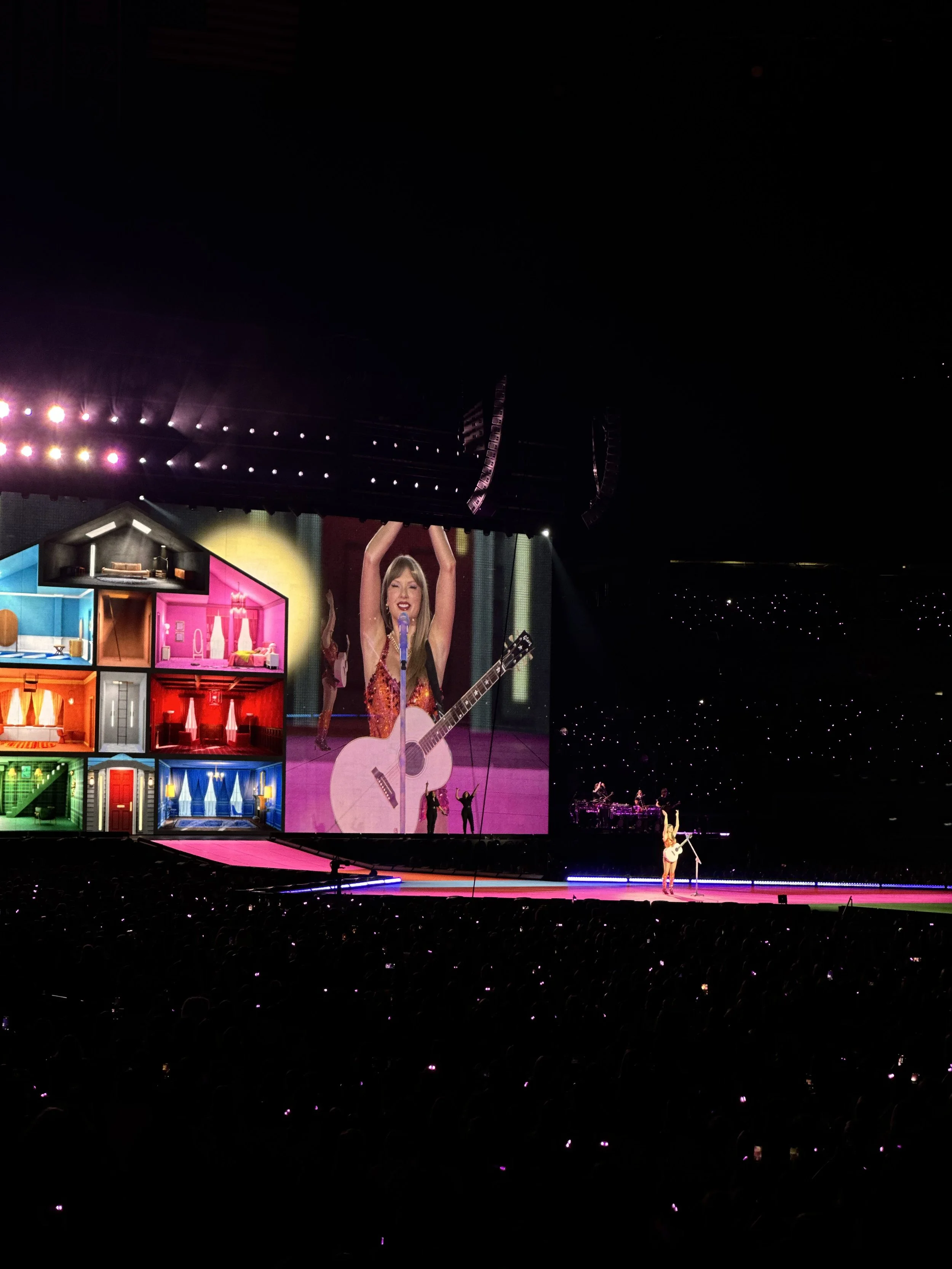
In April 2026, Taylor Swift’s company, TAS Rights Management, filed three trademark applications with the U.S. Patent and Trademark Office: two “sound marks” for audio clips in her own voice (“Hey, it’s Taylor Swift” and “Hey, it’s Taylor”), and one visual mark for a concert photo featuring Swift in a multicoloured bodysuit with a pink guitar.
The filings were explicitly positioned as protection against AI-generated misuse of her voice and likeness, following a wave of deepfakes, fake political endorsements, and explicit AI images circulating under her name.
Swift's move is significant—not because of who she is, but because of what it signals: your voice and your likeness are now commercial assets that require active, proactive legal protection.
AI misuse is not a niche celebrity problem. It is a structural risk for anyone whose name, face, or voice drives commercial value.
The real problem: AI can steal your identity at scale
Generative AI can now produce convincing voice clones and photorealistic images from remarkably small samples of audio or video footage. This has moved the threat from theoretical to operational.
The harm is real and layered:
When an AI-generated version of a creator’s voice is used in a commercial ad without consent, the result is financial: the creator loses licensing revenue they were never offered.
When it is used to imply endorsements or to generate fake political content, the result is reputational: audiences are misled, brand equity is eroded, and the creator loses control over their own narrative.
When it crosses into explicit or defamatory content, the harm is immediate and deeply personal: a violation of dignity and identity that no royalty statement can fix.
Swift has already seen her likeness used in unauthorized AI chatbots, sexually explicit deepfakes, and AI-generated political imagery, including images circulated by Donald Trump’s campaign that falsely implied her endorsement during the 2024 election cycle.
What other entertainers are doing
Scarlett Johansson declined twice to license her voice to OpenAI for its ChatGPT virtual assistant, only to learn that the product launched featuring “Sky,” a voice her closest friends said they could not distinguish from hers. Her legal team sent letters asserting that her vocal identity could not be closely imitated without consent, and OpenAI pulled the voice amid reputational and legal pressure. This illustrates that even where no formal right of publicity statute exists, asserting the threat of litigation, where grounded in publicity rights, unfair competition, and contract correspondence, can help enforce likeness protection measures.
Tom Hanks has repeatedly taken to social media to warn fans about “miracle cure,” “wonder drugs,” and dental plan ads featuring AI-generated versions of his image and voice, stressing that the ads were created without his consent and that he has never endorsed these products. Hanks has been clear that audiences could be financially and physically harmed by relying on them, urging followers not to be deceived. His agency responded to these fabrications by partnering with AI monitoring services to detect unauthorized uses of client images and voices which signals that talent management in 2026 requires digital enforcement rather than relying solely on strategic deal-making to protect against infringement.
In line with this trend, AI and image-recognition companies are now developing and deploying software to scan the internet for unauthorized uses of their clients’ images and voices. Because these fakes can erode trust, damage reputations, and mislead consumers long before a lawsuit can be filed, it’s clear that the era of passively hoping your identity will not be misused is over.
What this means for creators, influencers, and brands
For many creators, it won’t be realistic (or necessary) to file sound marks for every intro or trademark every outfit, but you can apply the logic of Swift’s legal strategy by identifying the core elements that drive your brand equity. This could include your stage name, series titles, signature phrases and hooks, or key visual identifiers.
This is especially important if you have recurring formats, recognizable catchphrases, or audio tags that fans associate with you. The point is to ensure these identifiers are protected and consistently controlled, because those are exactly what AI cloners and opportunistic advertisers will try to replicate first.
As a known personality, Swift’s blueprint is easy to exemplify, but it’s important to note that this is not about celebrity exceptionalism. The AI tools capable of cloning your voice and fabricating your likeness are widely available, inexpensive, and operating faster than any court or legislature can move. If you are a creator, artist, influencer, or talent-led brand, the same risks apply to you, and the legal tools to manage them already exist.
Where the law is heading (and why you can’t afford to wait)
As Swift has demonstrated, trademark law can add another layer of protection, but protection in their area is specifically for distinctive identifiers that audiences associate with you as a source of commercial goods or services. Not everything is capable of trademark protection, trademark is not the appropriate measure for all types of intellectual property and, notably, trademark only captures one area of intellectual property law.
Legal frameworks around AI voice cloning and deepfakes are emerging, but they’re uneven and reactive: some jurisdictions are clarifying that unauthorized voice cloning infringes personality rights, others are exploring AI-specific regulations, and industry bodies are negotiating norms for consent and compensation. Swift’s trademark filings and the Johansson and Hanks cases show that courts and companies are willing to stretch existing tools like trademark, publicity rights, privacy, and consumer laws to deal with AI, but it often takes high-profile disputes (and deep pockets) to successfully challenge misuse in order to move the needle.
For creators and brands, waiting for perfect legislation is not an option.
The practical (and strategic) path forward is to:
map your identity assets.
protect the most important ones with trademarks where appropriate.
hard‑wire AI and likeness protections into your contracts so that partners cannot accidentally (or intentionally) turn your face and voice into training data or synthetic performances.
This is why it’s so important to consult a legal or intellectual property law professional in your area for strategic advice tailored to your circumstances.
Your voice is your brand. Make sure you own it.
Diverge’s focus on AI, technology, and creator‑economy deals is designed to do exactly that: help you treat your IP, your content, and your identity as a portfolio of valuable assets that you actively manage, rather than a series of one‑off deliverables you hope won’t be misused.
Need help understanding the intricate contracts that govern your creative work, or want to build a strategy for IP protection? Diverge Legal is here to help.
If you’re ready for representation that understands the difference between a data point and your dream, contact Diverge today.
Read these next


More about DIVERGE
Diverge is not just a legal service provider. We’re your partner in building a legally sound and sustainable content creation business. We understand the unique challenges creators face and offer tailored solutions to protect your intellectual property, ensure regulatory compliance, and minimize legal risks.
Whether you’re an established influencer or an emerging creator, Diverge is here to help you focus on what you do best, while we take care of the legal complexities.
Reach out to Diverge today to learn more about how we can support your content creation journey.
Follow @diverge.legal on social media or subscribe to our newsletter below for more tips on protecting your creative rights and thriving in the creator economy.
Important Notice: The information in this article is provided for general informational purposes only and is not intended as legal advice. Reading this content does not create a lawyer-client relationship. Always seek professional legal counsel tailored to your specific situation. No part of this article may be reproduced or transmitted, in any form or by any means, electronic, mechanical, photocopying, recording or otherwise, or stored in any retrieval system of any nature, without the express written permission of Diverge Legal.
