
WBD Takeover (Part III): The $108B Netflix–Paramount Standoff
TORONTO, ON –
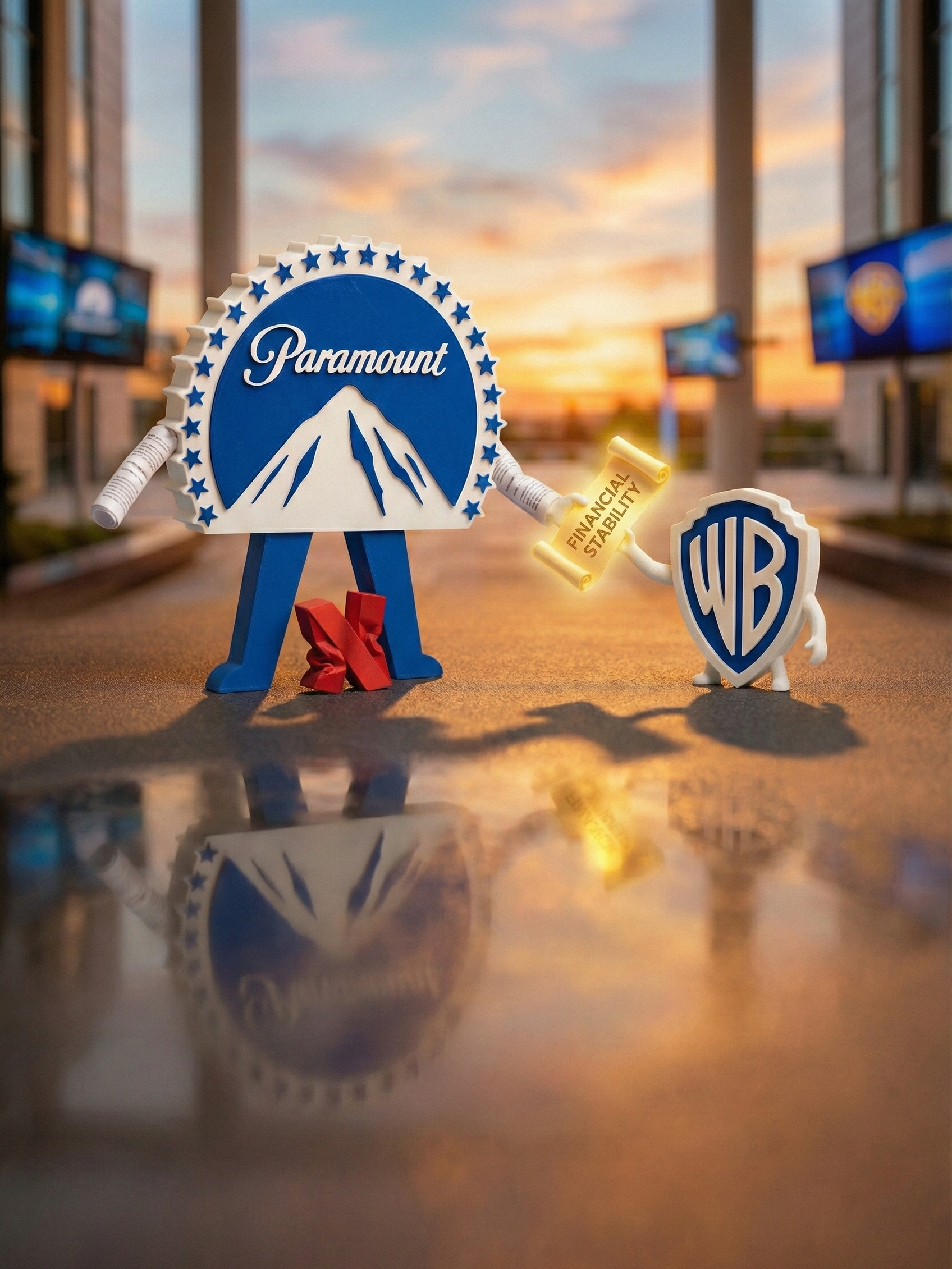
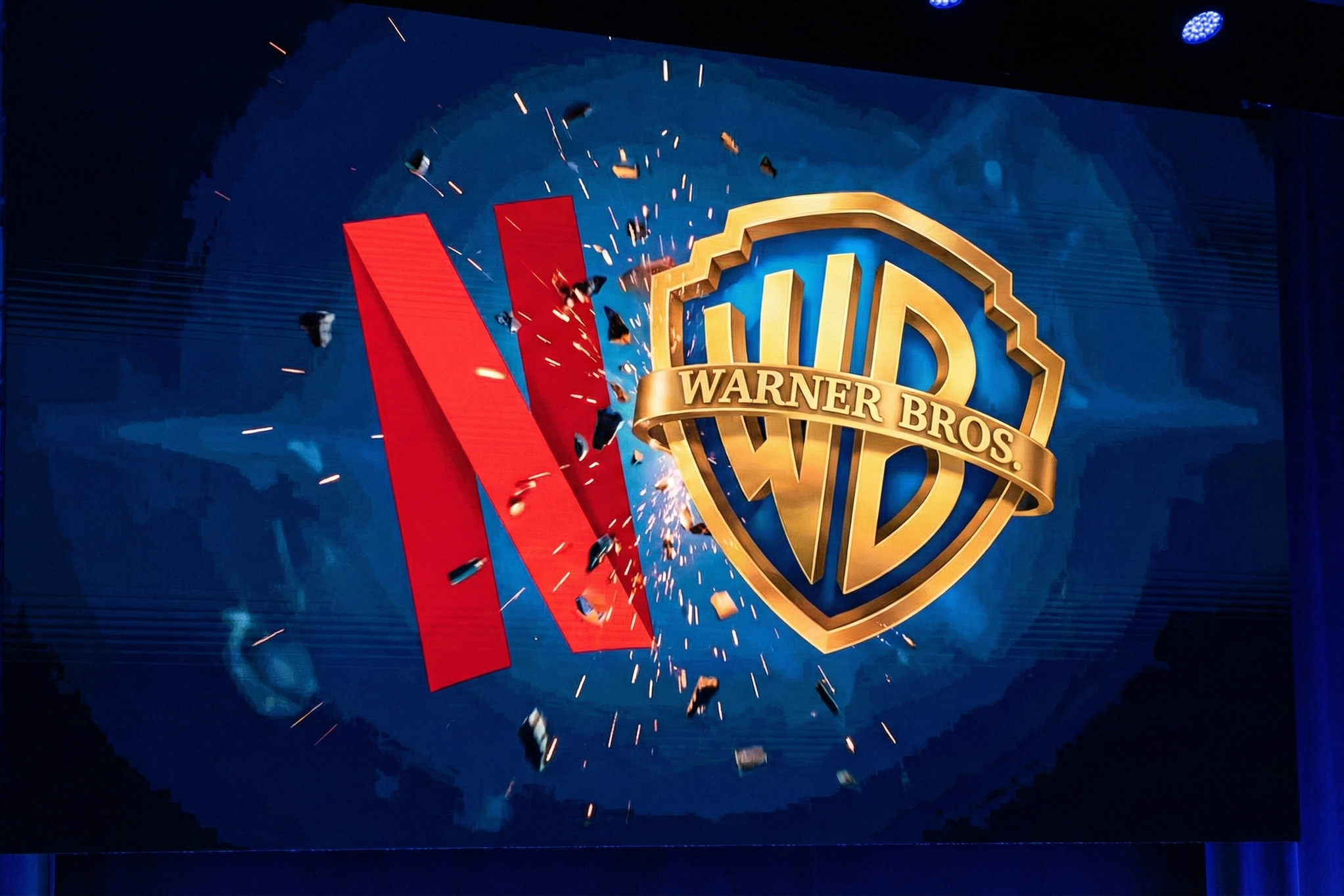
WBD rejected Paramount’s eye‑watering $108.4 billion hostile bid and is urging shareholders to stay the course with its existing merger agreement with Netflix.
For creators, talent, and rights‑holders, this isn’t just deal‑sheet drama; it’s a live stress‑test of how far consolidation will go in the streaming era, and which buyers will control the next generation of content deals.
Editor’s note: This piece traces Paramount’s early hostile‑bid phase and the shareholder‑approval process that followed. The ultimate outcome is Paramount Skydance’s approximately $110–111 billion all‑cash merger with WBD.
WBD shareholders approved the Paramount merger on April 23, 2026. On Sept 21, 2026, Paramount settled with 12 states, dissolving the no‑close order and clearing the path to finalize the deal. Final court entry and closing formalities were expected within weeks.
Recap of Parts 1 and 2
Earlier in this series, Part 1 unpacked the structure of the Netflix-WBD spin‑merge deal — a complex separation of WBD’s cable networks from its crown jewel studios and HBO Max, followed by a merger that would see Netflix acquire the studio and streaming business for approx. USD 82.7 billion ($27.75 per share). Part 2 then tracked how Paramount moved from friendly bidder to hostile acquirer, launching an all‑cash offer for the entire company at $30 per share and positioning itself as a cleaner strategic owner with a strong theatrical footprint and existing TV assets.
That escalation transformed what started as a strategic sale into a full‑blown auction for corporate control, with boards, regulators, and Hollywood unions all weighing in on which buyer poses the greater risk to competition, jobs, and creative freedom.
As of mid‑December 2025, WBD’s board has:
Reaffirmed the Netflix deal, calling it superior and more certain, largely because the consideration mix and financing are fully committed and the transaction is already papered in a definitive agreement.
Unanimously recommended that shareholders reject Paramount’s hostile offer, describing it as illusory, highly conditional, and dependent on opaque third‑party financing and regulatory outcomes.
Netflix’s offer still centres on acquiring WBD’s studios and HBO/HBO Max while leaving behind CNN and other linear networks, which would be spun off to existing WBD shareholders under a separate structure.
Paramount, in contrast, wants the entire WBD stack in one vertically and horizontally integrated group (from studios and streaming, to news and sports), amplifying both strategic upside and antitrust risk.
Why WBD said “No” to a higher headline price
On paper, $30 per share from Paramount beats $27.75 per share from Netflix. So why would WBD’s board refuse the bigger number?
Three main reasons keep coming up in their public filings and investor communications:
Financing uncertainty and the Ellison trust issue
The Paramount bid leans heavily on a revocable trust structure linked to Oracle founder Larry Ellison and external investors, rather than a hard, unconditional family‑equity backstop. WBD’s board also flagged the risk that Paramount could walk away if the trust or funding structure changes, having only offered a $2.8 billion break fee on a $108.4 billion transaction.Regulatory and timing risk
Acquiring all of WBD, including CNN and global networks, supercharges horizontal and political sensitivities for Paramount, especially where news media plurality and concentration are already under scrutiny. Netflix’s deal is far from ideal, but it carves out the most politically charged assets and includes a sizeable regulatory termination fee (reported to be around $5.8 billion) if regulators block the transaction, shifting much of the antitrust risk onto Netflix.Revlon‑style fiduciary duties
Once WBD put itself in play, its directors effectively stepped into a Revlon duty zone, prioritizing the best realistic value for shareholders, not just the highest dollar figure. The board is signalling that a slightly lower but fully financed, contractually locked‑in offer with a higher reverse break fee may deliver better actual value than a more fragile hostile proposal that could collapse late in the process.
For creators watching from the sidelines, the lesson is this: the numbers mean nothing if the underlying commitments are soft, conditional, or revocable.
Paramount’s counter‑attack: Process and fairness
Paramount isn’t backing down.
It filed detailed, complaint‑style disclosure materials accusing WBD of:
Predetermining Netflix as the winner and cutting short what should have been an evenly matched sale process.
Dismissing or downplaying Paramount’s proposals, including multiple iterations that allegedly matched or exceeded Netflix’s economics.
Failing Revlon duties, by shifting prematurely into exclusive negotiations with Netflix despite a live higher‑priced alternative.
In response, WBD has publicly accused Paramount of mischaracterizing its own financing and understating deal risk, even describing portions of the rival bid as misleading for WBD shareholders. This public back-and-forth lays the ground for shareholder litigation no matter who wins, and it will be dissected by courts if investors later claim the board left money on the table or relied on flawed information.
Until the deal actually closes, Netflix and WBD must operate as separate, independent competitors, which limits how far they can integrate content pipelines, cross‑commission projects, or share data.
Netflix’s deal sweetener: Traditional theatre & cinema
Netflix co‑CEO Ted Sarandos addressed one of the loudest fears circulating: that a Netflix‑owned Warner Bros. would quietly kill theatre.
When the Netflix deal was announced on Dec 5, 2025, Cinema United (among others) publicly opposed the merger, calling it an "unprecedented threat" that could eliminate 25% of annual box office revenue.
At a Canal+ showcase in Paris, Sarandos confirmed that, if the acquisition goes through, Netflix will continue to release Warner Bros. films in theatres with standard viewing windows rather than moving to an all‑streaming first strategy. After the event, he reportedly doubled down, calling traditional cinema “an important part of [Warner’s] business and legacy,” and part of what makes the studio valuable.
Strategically, Sarandos’ promise also makes Netflix’s offer more regulator‑friendly and talent‑friendly than it first appeared.
Netflix can now argue that it will: (a) keep a robust theatrical pipeline alive, (b) preserve local distribution ecosystems, and (c) offer a contractual commitment regulators can police, all on top of a financing package WBD’s board already views as more certain. Taken together, these points may help WBD’s board justify its decision to recommend Netflix’s lower-priced offer.
While this news is positive, it’s worth noting that these promises were already baked into Paramount’s $108.4 billion bid.
For industry talent and rights‑holders, that pledge matters: it keeps the door open for continued box‑office upside, film festival positioning, and staggered window strategies that can still be negotiated into deals, even under a Netflix‑owned Warner Bros. banner.
Antitrust and regulatory headwinds
Winning party aside, both deals proposed face serious antitrust questions:
Market definition: Is the relevant market subscription streaming, premium scripted content, or a wider digital attention market that includes YouTube, TikTok, and gaming? The narrower the market, the higher the combined share, meaning the greater scrutiny.
Input foreclosure: WBD is a major supplier of premium film and series content to rival streamers as well as theatrical exhibitors. Post‑deal, would Netflix or Paramount lock that content into their own ecosystems, starving competitors of must‑have titles?
Labour and monopsony effects: Hollywood unions have already warned that either deal could reduce the number of genuine buyers for high‑budget scripted work, compressing wages, back‑end participation, and bargaining power for writers, actors, and below‑the‑line talent.
Regulators in the US and EU have become more comfortable challenging vertical and ecosystem deals where consolidation threatens innovation, diversity of voices, or labour markets — especially in digital and media. But regulatory involvement means extended deal timelines (12–24 months), and uncertainty of outcome.
Creators throughout the entertainment industry and the larger digital creator economy should factor in these potential outcomes when planning multi‑year projects.
What’s ahead
Unless one party walks away, the next chapter of this saga will shift from boardrooms and bankers to regulators and courts.
Expect legal battles over:
Remedies (asset divestitures, behavioural commitments like theatrical windows, or content‑sharing obligations).
Shareholder lawsuits testing whether WBD’s directors satisfied their Revlon duties in choosing Netflix over the higher Paramount offer price.
Labour responses, including whether guilds and unions leverage this moment to push for stronger residuals, minimums, and AI‑use protections baked into studio‑level agreements.
Your creative work is your leverage.
In this rapidly changing digital era, your standard contract is obsolete before the ink dries. If you thought the Netflix news was big, the war for control of it has only just begun.
Disclaimer: The current WBD sale is to Paramount Skydance; regulatory conditions and timelines differ.
Need help understanding the intricate contracts that govern your creative work, or want to build a strategy for IP protection? Diverge Legal is here to help.
Read these next


More about DIVERGE
Diverge is not just a legal service provider. We’re your partner in building a legally sound and sustainable content creation business. We understand the unique challenges creators face and offer tailored solutions to protect your intellectual property, ensure regulatory compliance, and minimize legal risks.
Whether you’re an established influencer or an emerging creator, Diverge is here to help you focus on what you do best, while we take care of the legal complexities.
Reach out to Diverge today to learn more about how we can support your content creation journey.
Follow us social media or sign up to our newsletter below for more tips on protecting your creative rights and thriving in the creator economy.
Important Notice: The information in this article is provided for general informational purposes only and is not intended as legal advice. Reading this content does not create a lawyer-client relationship. Always seek professional legal counsel tailored to your specific situation. No part of this article may be reproduced or transmitted, in any form or by any means, electronic, mechanical, photocopying, recording or otherwise, or stored in any retrieval system of any nature, without the express written permission of Diverge Legal.
