
WBD Takeover (Part I): Anti-Trust, Competition Law, and the $82.7B Question
TORONTO, ON –
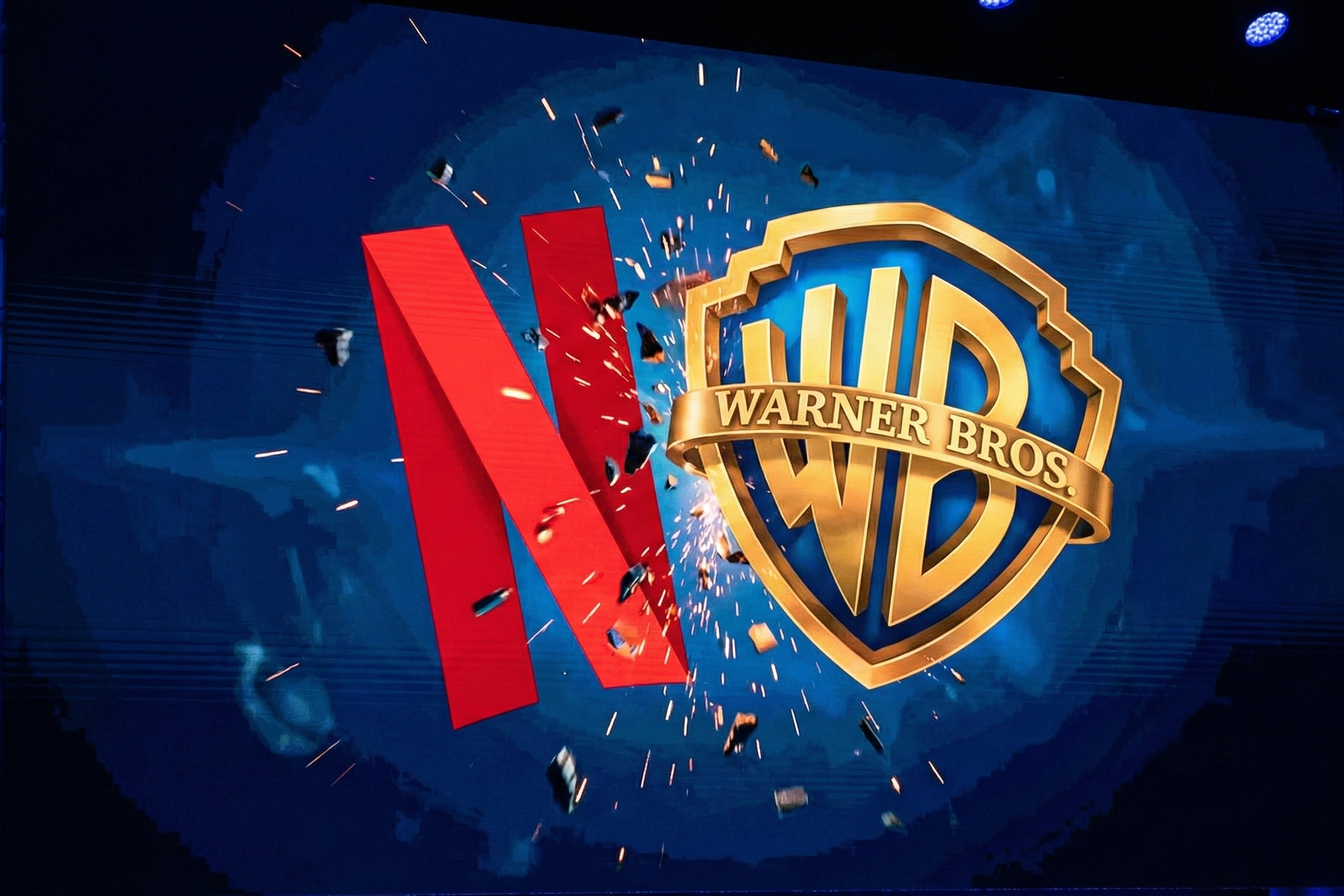
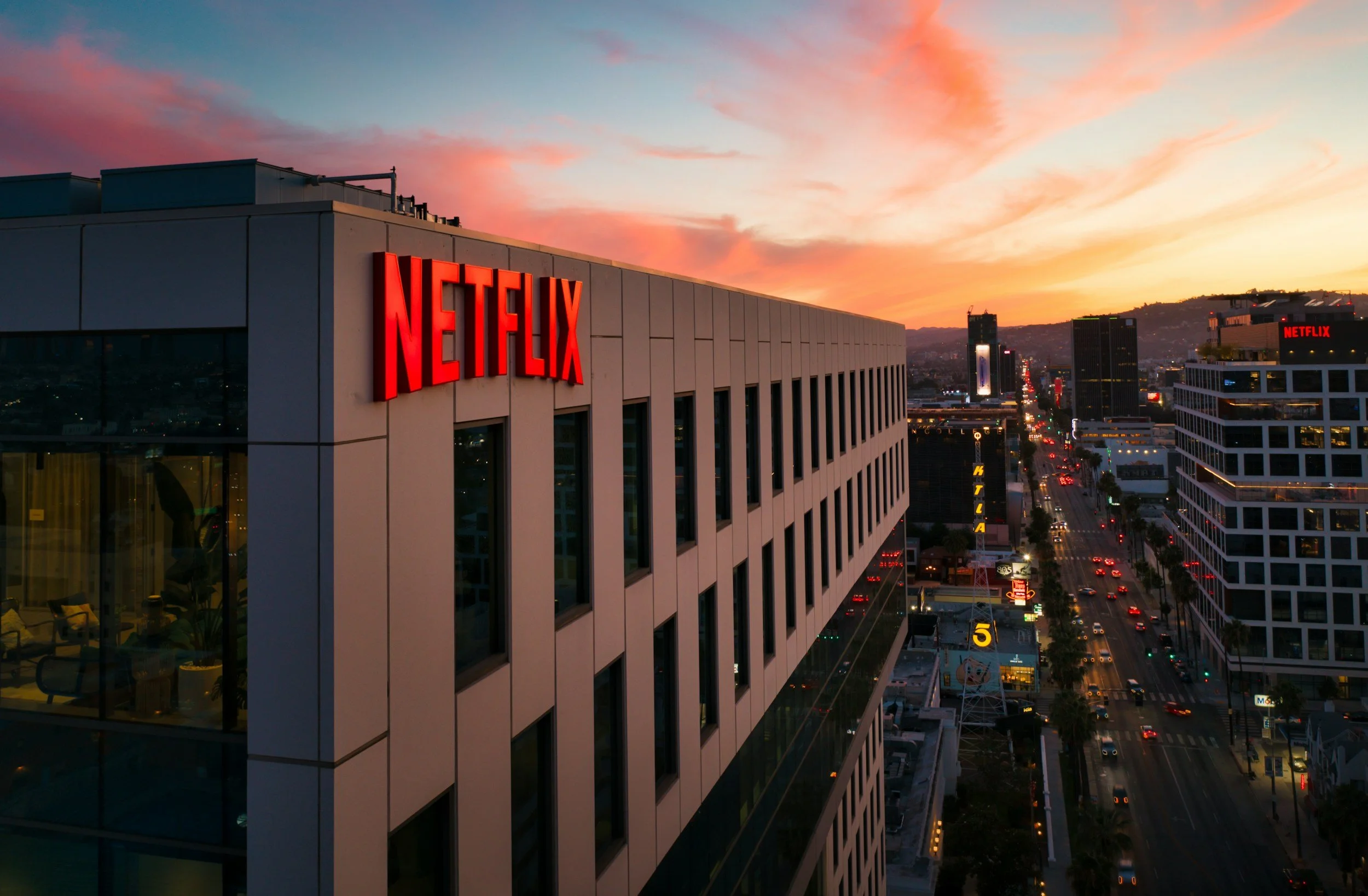
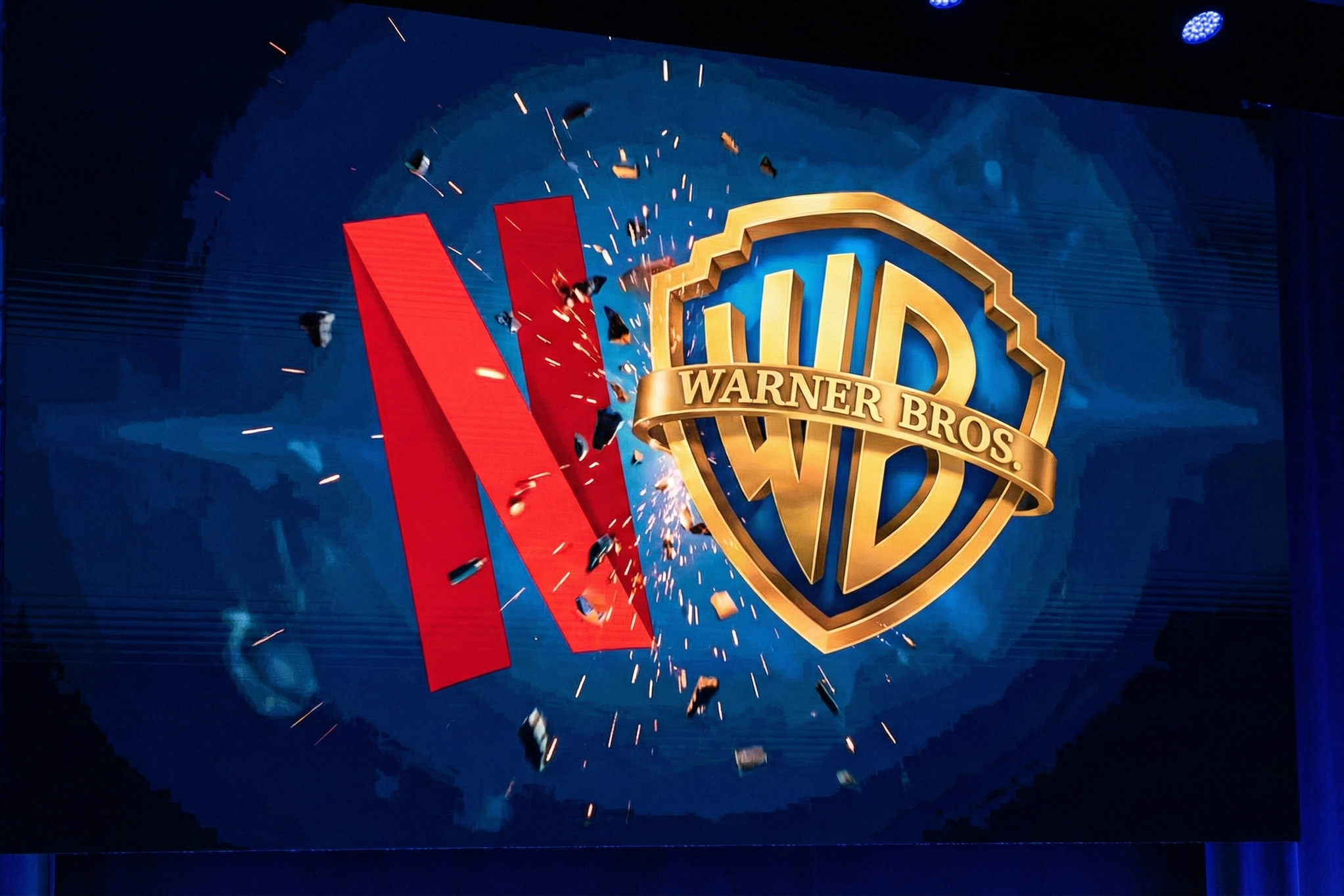
Netflix has agreed to acquire Warner Bros. Discover (WBD), including it’s film and TV studios, HBO, and HBO Max, for a staggering enterprise value of $82.7 billion (approximate equity value of $72 billion), with the deal expected to close in 12 to 18 months, subject to regulatory review. If so, it would concentrate unprecedented power.
At Diverge, we look past the press release to the legal and business realities. Here is our deep dive into the deal, the regulatory hurdles ahead, and why independent creators need to pay attention.Editor’s note: This article analyzes a prior proposal in which Netflix sought to acquire Warner Bros. Discovery (WBD). That transaction was not consummated. The WBD sale that proceeded is Paramount Skydance’s approximately $110–111 billion all‑cash merger with WBD.
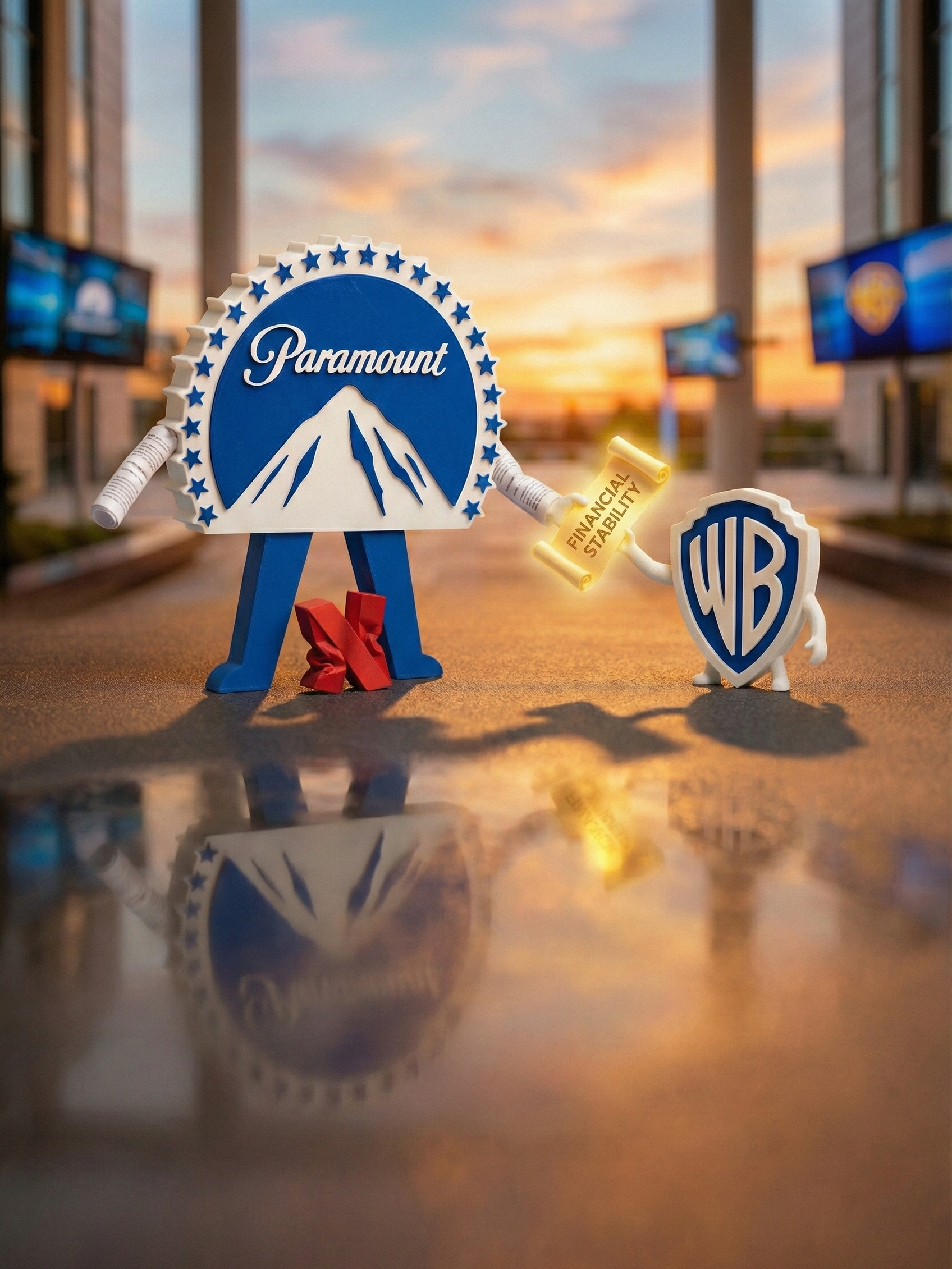
On Sept 21, 2026, Paramount Skydance settled with a California‑led coalition of 12 states, dissolving the no‑close order and clearing the final major legal hurdle to its acquisition of WBD. Final court entry of the consent decree and closing formalities were expected within weeks, with a Sept 30 “ticking fee” deadline creating urgency to complete.
Monopsony
/məˈnäpsənē/ (n.)
Market power as a dominant buyer, letting platforms squeeze suppliers (creators, talent) on price/terms.AI disclaimer: Image created using Google Gemini
For years, we have discussed the Streaming Wars as a battle for subscribers. If this deal goes through, that war is officially over. Enter the new phase of the digital economy: The Utility Era.
While the headlines focus on the price tag and the marriage of Stranger Things with Harry Potter’ the real story lies in what this consolidation means for the working class of Hollywood, Canadian creators, and the future of intellectual property rights.
The Financial Reality
To understand why this market consolidation is occurring, a quick look at the balance sheets of both corporate giants is needed.
Deal Motivations: Rescue Mission or Power Play?
Why WBD is Selling: Debt
Despite holding some of the most valuable intellectual property on earth (DC Universe, HBO, Friends), Warner Bros. Discovery has been shackled by debt. As of late 2025 (Q3), WBD was carrying an estimated $33.38 billion in long-term debt. For WBD shareholders, this deal provides a clear financial escape hatch, allowing them to cash out at a premium.
Why Netflix is Buying: IP Library
Netflix has won the subscriber race, reaching over 301.6 million global subscribers as of Q3 2025. However, the company is now focused on profitability and retention amid high industry churn rates. To keep subscribers paying a premium, they need a library that feels indispensable.
By acquiring Heritage IP like ‘Batman’ and ‘Entourage’, Netflix moves from being a nice-to-have streamer to an essential household item.
Deal Sweetener: The Breakup Fee
Netflix’s offer reportedly includes a substantial $5.8 billion breakup fee if the deal collapses due to regulatory failure. This signals massive confidence (or perhaps desperation) to lock down these assets, but also reflects the high regulatory risk involved and the expectation of a lengthy merger control battle.
Walled Garden: The Death of Residuals?
Old Model: The consolidation of studio and streaming ownership directly threatens the established wealth-building model for creatives that relied on residuals.
Traditionally, a show is sold multiple times (Network → Cable → Streamer), and at every second sale or licensing deal, talent gets paid residuals.
New Model: Netflix owns the studio and the streamer. The show goes directly onto Netflix and stays there forever.
This creates a ‘Walled Garden’. Because the content never leaves the ecosystem, there is no licensing fee and no second sale, threatening to eliminate the residual checks that sustain working-class creators, replacing them with a one-time buyout fee.
Beyond the Balance Sheet
Moving passed the deal economics, this consolidation raises fundamental legal and cultural issues. These concerns include constitutional law aspects regarding threats to free speech and expression, and key areas of competition law relating to consumer rights, merger control, and the need for adequate regulatory safeguards.
1. Market Ownership
This proposed acquisition is not merely a corporate transaction; it’s a structural shift that concentrates unprecedented power and IP under one roof. The result is fewer buyers, less competition, and increased leverage for the dominant player.
FEWER BUYERS, LESS LEVERAGE
If Netflix absorbs WBD, one of the world’s largest purchasers of scripts and production services disappears. At the same time, Netflix, the world’s largest streaming company, swallows one of its biggest competitors (HBO Max), and eliminates a major buyer for new content. When there is nowhere else to sell your show, the buyer sets the price.
With fewer studios bidding for your project, you have less leverage to negotiate higher fees or better rights. This market consolidation reduces the number of entities creators can pitch their shows or films to, directly impacting your ability to negotiate favourable terms, compensation, and ownership.
THE IP ANCHOR
Netflix gains legendary, franchise-ready IP and HBO’s library (Game of Thrones, Succession, The Sopranos). This vast, pre-existing library becomes an anchor that keeps subscribers locked in.
THE INVISIBLE SQUEEZE ON TALENT
When a single entity controls both the production (WBD studios) and the primary distribution platform (Netflix), it creates a choke point. This level of control over the content and the distribution pipeline affects who gets funding, who gets greenlit, and what content reaches the public, potentially creating another barrier to entry for up-and-coming talent by lessening Netflix’s need to take creative risks on new, original, or diverse voices.
THREAT TO CONSTITUTIONAL RIGHTS
The most compelling arguments against the merger, going beyond the financial ramifications, involve the concept of media consolidation harming expressive rights. Major figures and unions argue that consolidation at this scale is catastrophic for an industry built on free expression. It is feared that combining these two major studios infringe on the collective expressive rights of creators and the public's right to diverse viewpoints.
2. Competition & Anti-Trust
The sheer scale of this merger has drawn immediate and intense antitrust scrutiny from U.S. lawmakers and international regulators. The legality of the deal hinges on the argument that the merger will substantially lessen competition under anti-trust legislation (like the U.S. Clayton Antitrust Act).
This is tested through two key legal lenses: (i) Horizontal Consolidation and (ii) Vertical Integration.
(a) Horizontal Consolidation: This refers to merging direct competitors in the streaming market.
THE REGULATORY THRESHOLD
Netflix (the No. 1 streamer) acquiring HBO Max (the No. 3 streamer) creates a formidable player. This immediately triggered intense scrutiny under anti-trust and competition law because the combined entity could take up over 30% of the streaming market. If so, this would surpass the 30% benchmark used by regulators to challenge mergers. US senators are already framing this as an anti-trust nightmare that creates unfair market concentration. The entire process is a high-stakes merger control battle. If the merger fails this review due to its anti-competitive nature, the transaction may be blocked.
CONSUMER HARM
This concentration is challenged on the grounds that it will lead to higher prices for consumers and fewer choices over what they watch. The legal arguments point to this concentration as a textbook horizontal Antitrust problem.
US Senator Elizabeth Warren called the deal an "anti-monopoly nightmare", expressing concern that a single massive media giant controlling close to half the streaming market will lead to higher prices for consumers and fewer choices.
(b) Vertical Integration: This refers to merging different stages of the supply chain, such as production and distribution.
THE MONOPSONY THREAT
The merger would combine WBD’s content production (studios and IP libraries) with Netflix’s distribution platform. As a result, most anti-trust conversations focus on Monopolies (one seller controlling prices for consumers). But for independent creators, the terrifying word is monopsony.
Monopsony: a market where there is only one major buyer for labour. Critics argue that this grants the new behemoth full vertical control of the content and distribution pipeline.
It incentivizes the company to prioritize its own productions (WBD) and reduce its licensing and acquisition of outside content, foreclosing the market to independent producers and creating a monopsony threat for talent.
The Regulatory Test Case
This deal will likely serve as a significant test of whether modern Anti-Trust enforcement, particularly in the U.S., will adhere to stricter merger guidelines that consider qualitative harm (like content diversity and labour impact) in addition to just consumer pricing.
3. Impact on the Entertainment Industry
The legal and economic arguments coalesce into tangible threats for the collective creative industry.
CONTRACTS & CHANGE-OF-CONTROL CLAUSES
Major media mergers, or M&A (Mergers & Acquisitions), have immediate and lasting ripple effects on content creation contracts. Deals like this often trigger change-of-control provisions buried in existing talent and production agreements. If you have an active deal with Warner Bros. or HBO Max, your contract terms could be subject to renegotiation or even termination under new ownership, forcing you to restructure royalty formulas and IP entitlements.
WORKING CONDITIONS
Major players and industry guilds have forcefully condemned the deal, arguing that this consolidation is precisely what antitrust laws were designed to prevent.
Writers Guild of America (WGA): protested the deal, stating that the outcome would eliminate jobs, push down wages, worsen conditions for entertainment workers, and reduce the volume and diversity of content.
Directors Guild of America (DGA) and the Producers Guild of America (PGA): expressed significant concerns and are seeking meetings with Netflix to understand the impact on their members’ livelihoods and creative rights.
Producers Guild of America (PGA): articulated this issue by stating the deal must pass a test in order to receive regulatory approval:
(i) it must protect producers’ livelihoods, theatrical distribution, and
(ii) foster creativity, promote opportunities for workers and artists, empower consumers with choices, and uphold freedom of speech.
This test explicitly links the economic outcome of merger control to the fundamental constitutional value of free expression.
REDUCED THEATRICAL DISTRIBUTION
Theatre owners, a collective industry body, view the deal as an "unprecedented threat". They fear Netflix’s historic preference for streaming releases will remove WBD’s Box Office presence from the equation, thereby reducing the number of films released for broad theatrical exhibition, harming their livelihoods.
4. Canadian Implications: Bill C-11 and ACTRA
For Canadian creators in Ontario and across Canada, the timing of this merger is critical, as we navigate the implementation of the Online Streaming Act (formerly Bill C-11).
CENTRALIZATION OF DECISION-MAKING
If Netflix swallows WBD’s Canadian operations, we risk further centralization of decision-making, giving the consolidated giant significantly more bargaining power to push back against our cultural obligations.
SERVICE VS. IP
Organizations like ACTRA (the union representing Canadian performers) fight to ensure foreign streamers don’t just treat Canada as a “service production" hub (cheap locations and crews) but actually invest in Canadian IP and stories. This merger makes that fight significantly harder.
A WARNING FOR CANADA
While the specific antitrust battle is US-focused, Canada’s Competition Bureau has its own guidelines for reviewing significant acquisitions. Any global consolidation that reduces the number of buyers for Canadian-produced content inevitably impacts the Canadian creator economy.
The Value of Ownership
This merger signals the end of the Growth Era of streaming. We are entering an era of consolidation, cost-cutting, and utility dominance.
The entire value of the WBD deal hinges on the control of its content libraries and contracts, demonstrating how IP is a fungible, revenue-generating asset in these deals.
This underscores the indispensable lesson that every independent creator must learn: own your IP.
If you sign away broad licenses or outright ownership, you are giving away the very asset that will be bought, sold, and leveraged for billions by corporate giants. Your creative work is the multi-billion-dollar asset these companies are trading. So, be proactive. Do not sign away your IP forever — aka “in perpetuity”.
* * *
Your creative work is your leverage.
In a world of consolidating giants, legal foresight is your only protection against becoming a small, easily absorbed asset.
Disclaimer: This article discusses a prior Netflix–WBD proposal. The current WBD sale is to Paramount Skydance; regulatory conditions and timelines differ.
Need help understanding the intricate contracts that govern your creative work, or want to build a strategy for IP protection? Diverge Legal is here to help.
Read these next

More about DIVERGE
Diverge is not just a legal service provider. We’re your partner in building a legally sound and sustainable content creation business. We understand the unique challenges creators face and offer tailored solutions to protect your intellectual property, ensure regulatory compliance, and minimize legal risks.
Whether you’re an established influencer or an emerging creator, Diverge is here to help you focus on what you do best, while we take care of the legal complexities.
Reach out to Diverge today to learn more about how we can support your content creation journey.
Follow us social media or sign up to our newsletter below for more tips on protecting your creative rights and thriving in the creator economy.
Important Notice: The information in this article is provided for general informational purposes only and is not intended as legal advice. Reading this content does not create a lawyer-client relationship. Always seek professional legal counsel tailored to your specific situation. No part of this article may be reproduced or transmitted, in any form or by any means, electronic, mechanical, photocopying, recording or otherwise, or stored in any retrieval system of any nature, without the express written permission of Diverge Legal.
