
Eminem vs. Meta (Part I): Music Copyright in the Digital Age
Eminem's music publishing company has filed a significant lawsuit against Meta Platforms Inc., seeking over $100 million in damages.
This isn't just another celebrity headline; it's a major legal dispute that highlights critical questions about intellectual property rights, digital licensing, and platform accountability.
Anyone creating and monetizing content online should pay close attention.

Master
/mastər/ (n.)
The original, definitive recording of a song or the final, authoritative version of any creative work.The Complaint: Unauthorized Use on Meta’s Platforms
On May 30, 2025, Eight Mile Style, Inc. (“EMS” or “Eminem”), Eminem's music publishing company, initiated legal proceedings against Meta Platforms Inc. (“Meta”).
The lawsuit alleges that Meta unlawfully stored, reproduced, and exploited 243 of Eminem's copyrighted songs. Specifically, the complaint points to Meta's features like "Original Audio" and "Reels Remix," claiming Eminem's music has been featured in billions of videos and streamed billions of times.
EMS contends this unauthorized use has led to a "diminished value" of the copyrights and "lost profits" for Eminem.
Eminem’s team claims that Meta attempted to obtain licenses for these works via Audiam, Inc., a digital music rights agency, but EMS never authorized these licenses, and further alleges that despite prior notifications, Meta continued to store and reproduce unauthorized copies of Eminem's music, escalating the infringement claims.
The Scale of Infringement and Statutory Damages
The claim that Meta attempted to license but failed to secure authorization is a key point.
Taken together, the allegations by Eminem claim that Meta:
(i) had been notified that its unauthorized use of the works constituted copyright infringement;
(ii) was aware of the licensing requirement;
(ii) failed to fulfil such licensing requirement; and
(iii) continued the unauthorized use of the works.
These factors suggest if proven, present a strong argument against Meta for willful infringement: a principle that can extend to any party involved in the chain of unauthorized use.
EMS is seeking a jury trial and demands $150,000 in statutory damages per song (or USD $109M total) for the alleged infringements, which is substantial .
Under U.S. copyright law, statutory damages can range from $750 to $30,000 per infringement. However, if the infringement is proven to be "willful" (as alleged), the court can award up to $150,000 per infringed work.
EMS seeking the maximum amount strongly indicates their belief that Meta's actions were deliberate. The claim of "billions of videos and streamed billions of times" underscores the immense scale of the alleged unauthorized use and the potential for significant financial harm.
In a recent statement reported by Rolling Stone Magazine, a Meta spokesperson said,
“Meta has licenses with thousands of partners around the world and an extensive global licensing program for music on its platforms. Meta had been negotiating in good faith with Eight Mile Style, but rather than continue those discussions, Eight Mile Style chose to sue.”
In addition to monetary damages, EMS is seeking a permanent injunction to stop all ongoing and future use of the works by Meta.
Eminem's lawsuit clearly demonstrates the potentially massive financial consequences of unauthorized commercial use, even if scaled.
Key Takeaways for Influencers
Copyright in the Digital Ecosystem
This lawsuit brings critical aspects of copyright law to the forefront, especially in the context of digital platforms, user-generated content, and commercial use including sponsored content. For social media influencers and content creators, grasping these distinctions is vital for protecting your business and avoiding significant legal liabilities.
In music, there are generally two primary copyrights:
Compositional Copyright: This protects the underlying musical work, e.g., the lyrics and melody. It's the intellectual property behind the song itself, typically owned by the songwriter or their music publisher (like Eight Mile Style).
Sound Recording Copyright: This protects the specific recorded performance of a song. This is the master recording, usually owned by the record label or the artist if they self-release.
When a platform like Meta allows users to incorporate music, it generally needs licenses for both of these copyrights. Features like "Original Audio" and "Reels Remix" suggest a direct integration of music into Meta's platform functionality, which could imply a greater degree of responsibility for Meta beyond simply hosting user-uploaded content.
Music in Sponsored Content
This is a common pitfall for many content creators engaged in brand deals.
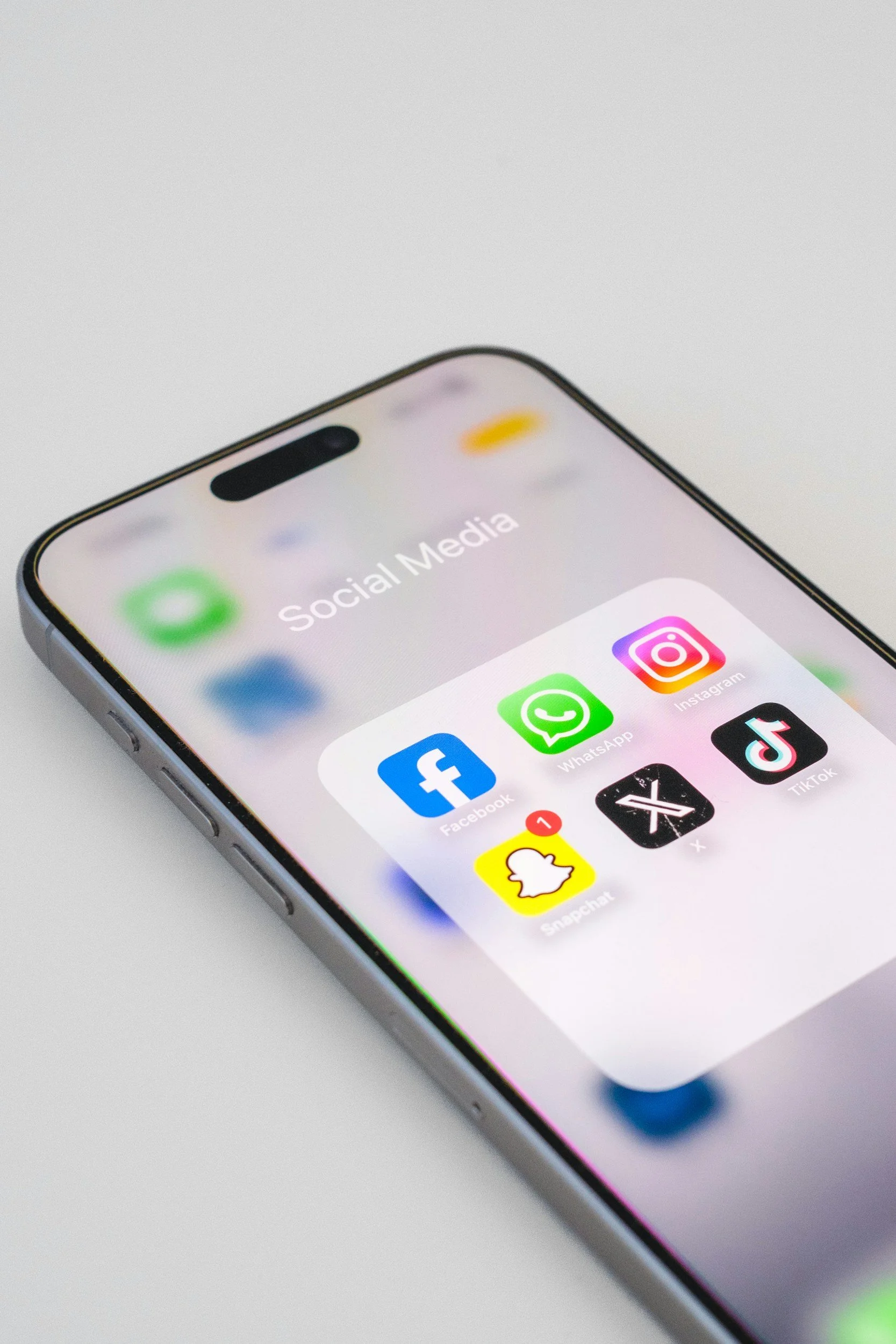
While platforms like Instagram or TikTok may offer music libraries for personal, non-commercial use in your regular posts, generally, these licenses do not extend to commercial or sponsored content.
Example: If you create a video for a brand deal and include music from a platform's library (or any other unlicensed source), both you and the brand could be held liable for copyright infringement. When a brand pays you to create content for commercial purposes, that content, including any music or other elements within it, requires proper commercial licensing or express authorization or written permission of the third party rights-holder.
The initial filings in the Eminem vs. Meta lawsuit paint a clear picture of high stakes and complex copyright issues in the digital realm. As we've explored, the core allegations of unauthorized use, the intricacies of music licensing for commercial content, and the potential for massive statutory damages are central to this dispute.
In Part 2 of this series, we will delve into the broader implications of this case for platform accountability, crucial contract considerations for creators collaborating with brands, and actionable steps you can take to protect your valuable intellectual property in the fast-evolving digital landscape.
Read these next



More about DIVERGE
Diverge is not just a legal service provider. We’re your partner in building a legally sound and sustainable content creation business. We understand the unique challenges creators face and offer tailored solutions to protect your intellectual property, ensure regulatory compliance, and minimize legal risks.
Whether you’re an established influencer or an emerging creator, Diverge is here to help you focus on what you do best, while we take care of the legal complexities.
Reach out to Diverge today to learn more about how we can support your content creation journey.
Follow @diverge.legal on social media or subscribe to our newsletter below for more tips on protecting your creative rights and thriving in the creator economy.
Important Notice: The information in this article is provided for general informational purposes only and is not intended as legal advice. Reading this content does not create a lawyer-client relationship. Always seek professional legal counsel tailored to your specific situation. No part of this article may be reproduced or transmitted, in any form or by any means, electronic, mechanical, photocopying, recording or otherwise, or stored in any retrieval system of any nature, without the express written permission of Diverge Legal.
