
New Balance Sues Decathlon for Trademark Infringement Over ‘K’ Logo
TORONTO, ON –
Another pair of sneakers is at the centre of a trademark dispute.
On September 15, 2026, New Balance sued Decathlon’s U.S. businesses in Massachusetts federal court over a logo used on Decathlon’s Kiprun running shoes.
The New Balance complaint says the design is "unmistakably an N," which has appeared on its footwear for decades. Decathlon describes the mark as a mirrored stylized “K” for Kiprun.
New Balance Athletics, Inc. v. Decathlon America LLC et al., Case No. 1:26-cv-14235, U.S. District Court for the District of Massachusetts.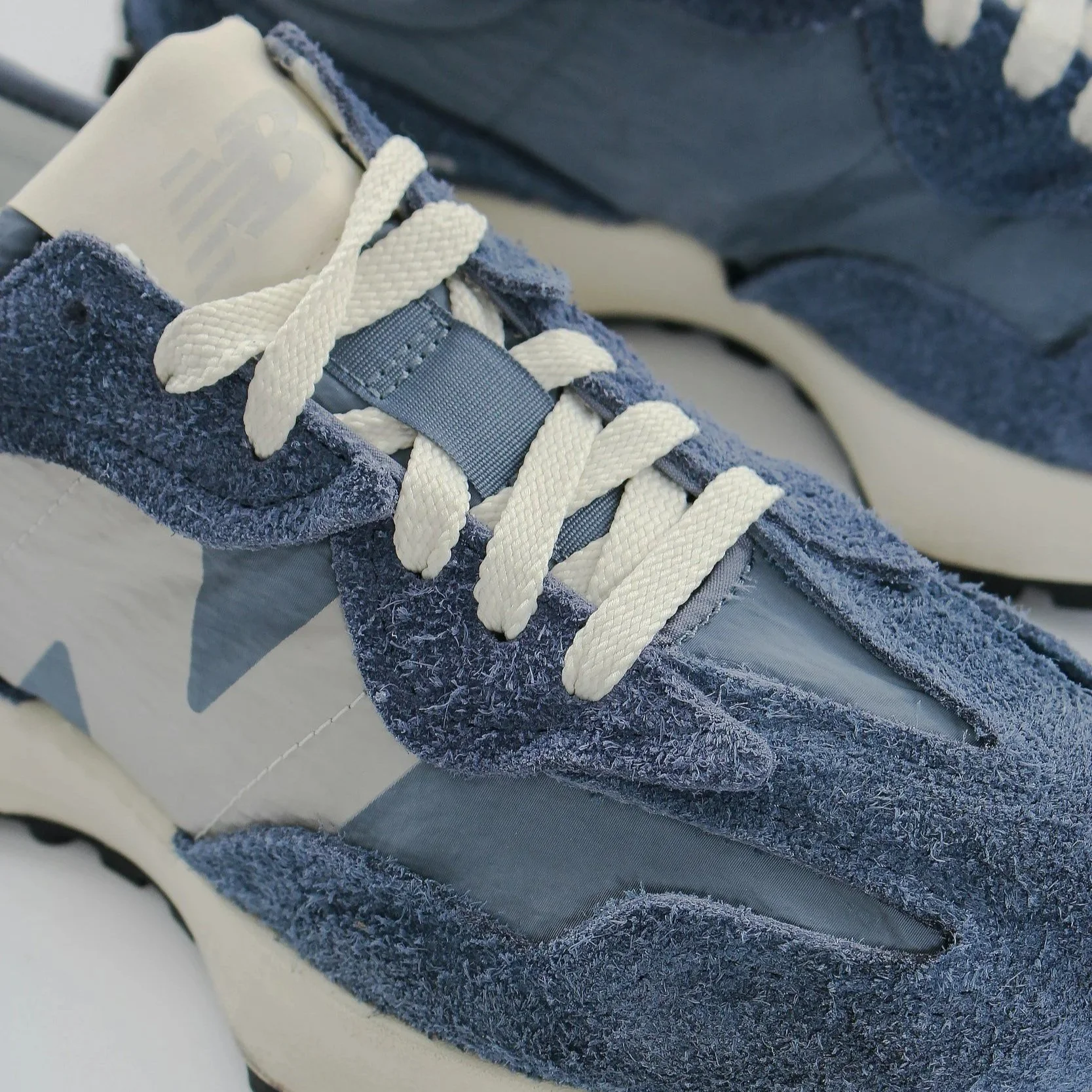
Source identifier
n. — /sors eye-DEN-tuh-fy-er/
A feature of a product or brand — such as a name, logo, colour scheme, or design — that helps consumers recognize where the product comes from.
Diverge helps artists, creators, and influencers protect their work, negotiate smarter, and build their business without giving up control of the value they create.
The dispute is not about whether New Balance invented the letter “N,” or whether Decathlon is selling a sneaker that looks identical to a New Balance model. It is about whether Decathlon’s particular design, when placed on a running shoe, is close enough to New Balance’s trademark that consumers could mistake the source of the product — or at least assume that the two companies are connected.
K or N?
According to New Balance’s complaint, the disputed design appears on multiple Kiprun models and is “virtually identical and confusingly similar” to New Balance’s registered N marks. The company says consumers may read the logo as an “N,” particularly because it appears in the same general product category where New Balance has used its N branding since the 1970s.
Decathlon’s position is that the design is a “K,” not an N. That distinction may sound obvious when the letter is written out in a sentence. But on a moving runner’s shoe, however, consumers may not stop to analyze the typography. They may simply see a familiar-looking emblem on athletic footwear and make a quick association.
That is the real issue trademark law is concerned with: how consumers perceive a mark in the marketplace. Not just with what its designer intended it to represent.
Beyond the logo
This case is also a useful reminder that trademark disputes are not always as simple as comparing two images side by side. Context matters.
A stylized letter may be less concerning when used on a poster, a software product, or an unrelated service. Place a similar design on a performance running shoe, where New Balance’s N mark is highly visible and commercially significant, and the association becomes more plausible.
When it comes to assessing whether Decathlon’s angular letter infringes New Balance’s rights, the surrounding circumstances matter.
Trademark law asks questions like:
How similar the marks appear when viewed as consumers would encounter them.
Whether the products compete in the same market.
How and where the mark is displayed.
The strength and recognition of the existing trademark.
Whether consumers are likely to believe the products come from the same source or are connected.
New Balance is alleging that Decathlon’s design crosses that line. At this stage, those remain allegations, and no court has determined that Decathlon infringed New Balance’s rights.
Does a simple design deserve protection?
The difficult question is where trademark protection stops and ordinary competition begins.
Letters, geometric shapes, and basic visual forms are available for businesses to use. No company should receive a monopoly over every design that vaguely resembles a letter in the alphabet. Trademark protection is not supposed to remove useful or commonplace design elements from the marketplace.
That said, a simple design can still become a powerful trademark when consumers come to associate it with one source. New Balance’s argument is not that it owns every version of the letter “N.” It is that its particular stylized N, used prominently on athletic footwear and supported by decades of commercial use, has become a distinctive source identifier for its brand.
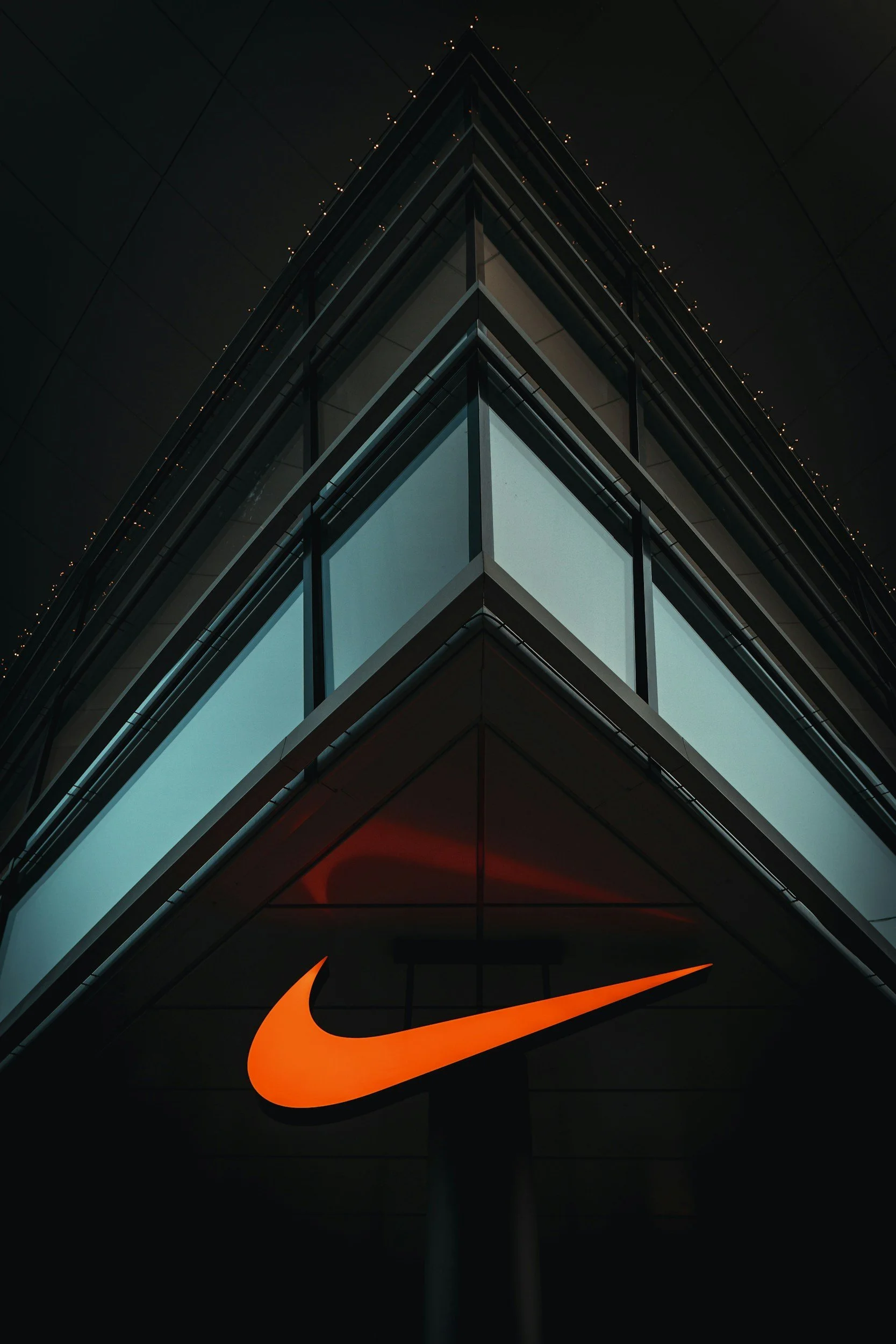
That distinction applies to Canadian brands too. A logo does not need to be complex to be valuable. Sometimes the most commercially powerful brand asset is the mark consumers can recognize instantly and remember easily, like the Nike checkmark.
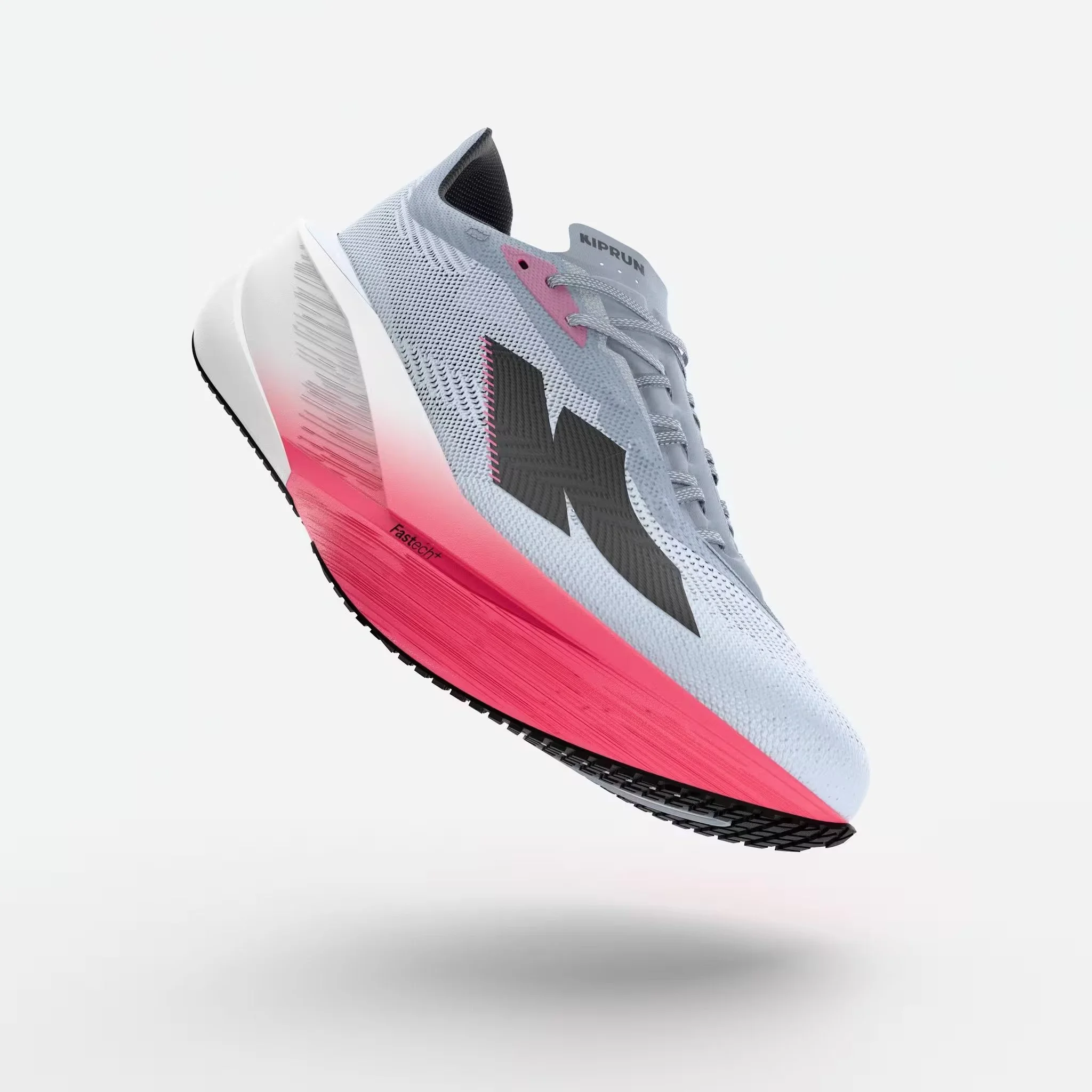
Source: KIPRUN
Confusion versus recognition
There is an important difference between consumers recognizing a design and consumers confusing its source.
A consumer might look at the Kiprun design and think, “That resembles New Balance,” without actually believing the shoe was made by New Balance. That kind of recognition alone may not establish infringement. The legal question is whether the resemblance is likely to cause confusion about the source, sponsorship, or affiliation of the goods.
That is where the surrounding marketplace evidence becomes important. Social media posts calling the logo an “N” may support New Balance’s argument that consumers make the association. But online commentary is not automatically proof of legally significant confusion. A court would need to consider the full evidence, including how the products are sold, what branding appears alongside the logo, the price points, and the sophistication of the relevant buyers.
A consumer shopping for performance running shoes may pay close attention to the brand. Another consumer scrolling quickly through a social-media image may process only the broad visual impression. Trademark analysis has to account for both real-world behaviour and the context in which the mark is encountered.
Was it innocent?
Intent is not typically required to establish trademark infringement, but it can still matter. If a brand adopts a design after seeing a competitor’s mark, receives a warning, and proceeds despite a known risk of confusion, that sequence may affect how a court understands the dispute.
Reporting on the complaint indicates that New Balance raised concerns with Decathlon before filing suit, and that Decathlon maintained the design represented a K. If proven, that exchange could become relevant to the question of whether the adoption was an innocent design choice or a calculated attempt to benefit from the recognition attached to New Balance’s N mark.
That is not the same as saying Decathlon intended to deceive consumers. A company can believe its mark is legally different and still underestimate how consumers will perceive it in the marketplace. But once a brand receives a credible warning, continuing to use the design without revisiting the risk can make the commercial decision harder to defend.
How this would play out in Canada:
Although this is a U.S. lawsuit, the consumer-protection logic is highly transferable to Canadian law.
Under the Canadian Trademarks Act, the closest analysis would likely focus on trademark infringement under section 20, supported by the likelihood-of-confusion test in section 6. The central question would be whether the use of Decathlon’s Kiprun design in association with running shoes is likely to cause consumers to believe that the goods come from New Balance or from a business connected to New Balance.
In plain English: would an ordinary consumer, seeing the Kiprun logo in the marketplace, think “New Balance,” or assume there is some commercial relationship between the brands? The court would not need to find that every consumer was actually fooled.
The legal question is whether the resemblance creates a meaningful risk of confusion.
Canadian law also recognizes the common law tort of ‘passing off’ under section 7(b), although that claim generally requires the plaintiff to establish goodwill, a misrepresentation that creates confusion, and damage. If New Balance could show that its N design has substantial goodwill in Canadian footwear markets, it might argue that Decathlon’s mark misrepresents a connection between the products or businesses.
The practical lesson for brands
This dispute is a useful reminder that trademark clearance should not be reduced to a quick database search. For global brands, more comprehensive searches are needed.
A search might tell you that no one owns the exact logo you have designed. It may not tell you whether the logo creates a strong marketplace association with a competitor, particularly when it will be used on similar products and in a similar retail environment.
A brand identity can become one of a company’s most valuable assets, but only if it is distinctive, consistently used, and defensible.
Final takeaways from Diverge
The New Balance v. Decathlon dispute brings the issue back to a basic principle: trademark law protects the connection between a mark and its source.
For a creator launching a footwear collaboration, a startup developing its first product line, or an established business refreshing its visual identity, the question is not whether a logo is technically different.
Instead, creators need to question what consumers are likely to see, remember, and think of when that logo appears in the real world.
That is why brand protection needs to happen before the launch, not after the product is already in the market. A mark can look original on a design board and still create problems once consumers see it beside a competitor’s branding. In a crowded market, the goal is not just to create a logo that looks different. It is to create a brand identity that consumers can recognize as yours.
At Diverge Legal, we help creators, entrepreneurs, and growing businesses think beyond the immediate launch and build IP strategies that support long-term commercial value. We focus on helping clients protect what they create, structure smarter deals, and build with confidence in a fast-moving digital world.
If you’re ready for representation that get its, contact us.
Read these next





More about DIVERGE
Diverge is not just a legal service provider. We’re your partner in building a legally sound and sustainable content creation business. We understand the unique challenges creators face and offer tailored solutions to protect your intellectual property, ensure regulatory compliance, and minimize legal risks.
Whether you’re an established influencer or an emerging creator, Diverge is here to help you focus on what you do best, while we take care of the legal complexities.
Reach out to Diverge today to learn more about how we can support your content creation journey.
Follow @diverge.legal on social media or subscribe to our newsletter below for more tips on protecting your creative rights and thriving in the creator economy.
Important Notice: The information in this article is provided for general informational purposes only and is not intended as legal advice. Reading this content does not create a lawyer-client relationship. Always seek professional legal counsel tailored to your specific situation. No part of this article may be reproduced or transmitted, in any form or by any means, electronic, mechanical, photocopying, recording or otherwise, or stored in any retrieval system of any nature, without the express written permission of Diverge Legal.
