
The Taylor Swift Story: A Masterclass in Intellectual Property
And Why Creators Should Care About Owning Their Work
The music industry, a vibrant tapestry of artistic expression and commercial enterprise, often becomes a battleground for ownership and control. Few stories illustrate this struggle as vividly and publicly as that of Taylor Swift and the ownership of her master recordings.
Taylor’s journey offers invaluable lessons for artists, creators, and legal professionals alike, touching upon critical aspects of intellectual property (IP), mergers and acquisitions (M+A), private equity, and contract law.
Let’s dive in.
Master
/mastər/ (n.)
The original, definitive recording of a song or the final, authoritative version of any creative work.From Early Stardom to Disputed Ownership: The Genesis of a Legal Battle
Taylor Swift began her career as a teenager, signing with Big Machine Records. Under the terms of her initial recording contracts, common in the music industry, Big Machine Records owned the masters, which is the original sound recordings of her music. This meant that while Taylor Swift wrote the lyrics and melodies (owning the publishing rights to her compositions), the record label controlled the physical recordings.
This control extended to dictating how they could be used, licensed, and monetized across various platforms and media. This setup is a traditional model, where labels invest in an artist's development, production, and distribution in exchange for ownership of their recorded output, often in perpetuity (another legal term creators should be wary of).
Big Machine’s Buy-Out: The Private Equity Acquisition
The narrative took a dramatic turn in 2019. Scott Borchetta, the founder of Big Machine Records, sold the label, along with its entire catalog of masters (including Taylor Swift's first six albums), to Ithaca Holdings, a company owned by talent manager Scooter Braun.
This transaction, reportedly valued at over $300 million, was a classic example of a merger and acquisition (M&A) deal, specifically involving a private equity firm's acquisition of a significant asset portfolio. Private equity firms often seek to acquire undervalued or high-potential assets, streamline operations, and then sell them for a profit, making music catalogs an attractive investment given their recurring revenue streams.
What made this acquisition particularly contentious was Swift’s vehement public opposition. She asserted that the sale occurred without her knowledge or an opportunity for her to purchase her own life's work, stating she had previously attempted to buy her masters from Big Machine, only to be denied on terms she found prohibitive and excusatory.
Her public statements highlighted a fundamental tension: an artist's creative output being treated as a fungible asset in a corporate transaction, often with little regard for the artist's personal connection or future control. For the private equity firm, this was a strategic investment aimed at leveraging an existing, valuable intellectual property portfolio for profit, through licensing, synchronization, and other commercial uses.
Taylor’s Re-Recording Strategy: A Legal Masterstroke
Stripped of ownership over her original masters, Taylor Swift embarked on an unprecedented strategy: re-recording her entire back catalog. This bold move was legally permissible due to specific clauses often found in recording contracts, known as “re-record restriction” clauses. These clauses typically prevent an artist from re-recording their songs for a certain period (often five to seven years, or a specific term after the original recording's release or after the contract expires).
Once this contractual restriction period elapsed (sometimes referred to as the “five-year rule” or “seven-year rule” in the music industry), Swift was legally free to create new master recordings of her songs.
Crucially, this strategy did not infringe upon any intellectual property rights of Big Machine Records or the private equity firm that acquired her original masters. While they owned the original sound recordings (the masters), Taylor Swift always owned the compositional copyrights; that is, the underlying musical works (e.g., the lyrics and melody) that she wrote or co-wrote.
This distinction is vital in copyright law:
Sound Recording Copyright: This protects the specific recorded performance of a song. Think of it as the sound wave itself.
Compositional Copyright: This protects the written music (notes, chords) and lyrics of the song itself, independent of any particular recording.
Siri: Play 1989 “Taylor’s Version”
By re-recording, Swift was creating new sound recordings of songs she already owned the compositional rights to. She simply needed to wait until the contractual re-record restriction period expired, ensuring she wasn't breaching her old agreement. These new (and beloved) “Taylor's Version” masters are entirely new intellectual property, wholly owned by her, giving her complete control over their licensing and distribution.
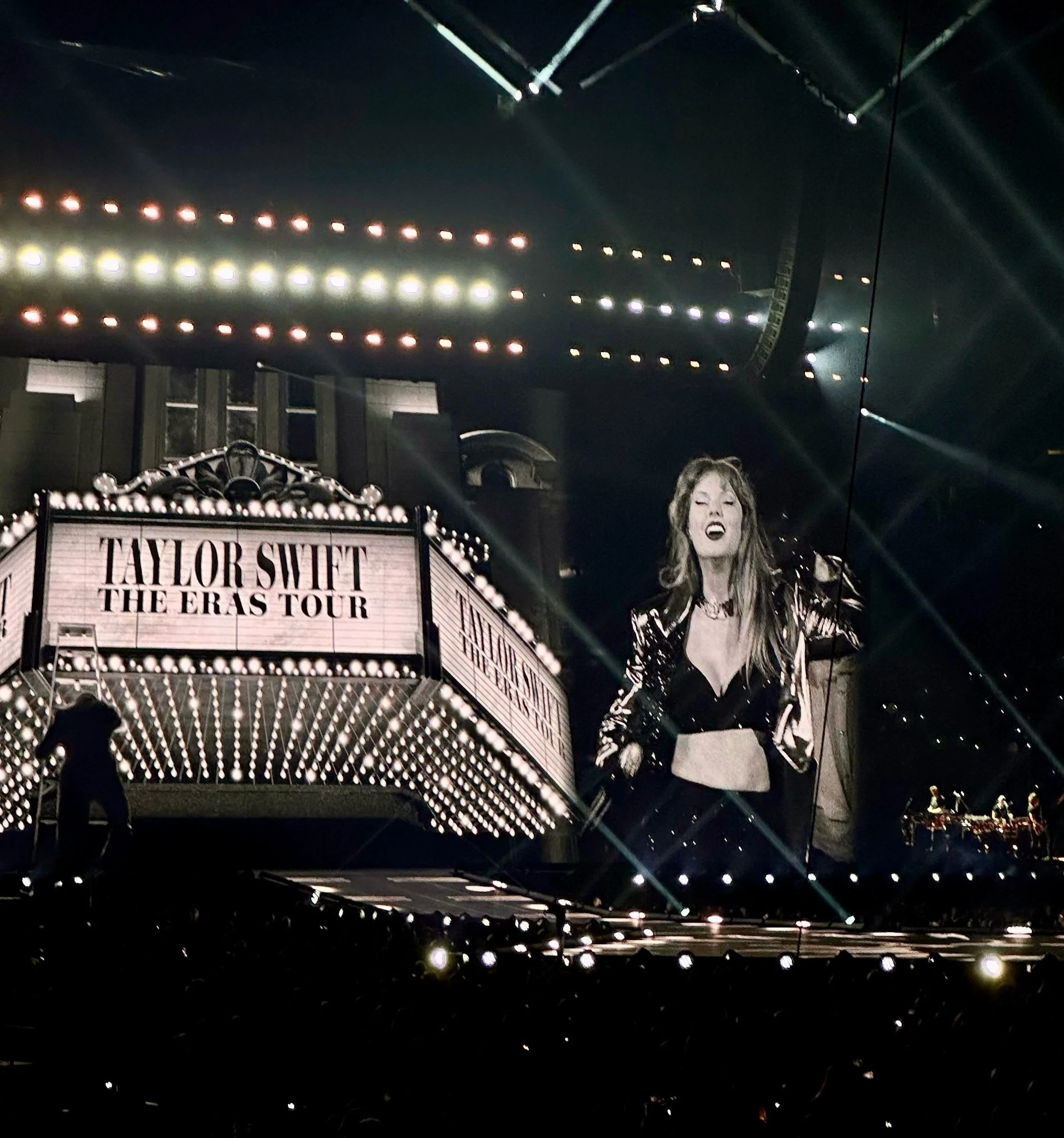
Importantly, her ability to tour and perform her music remained unaffected by the sale of her masters. Performing a song live generally falls under the public performance right of the compositional copyright, not the sound recording copyright. Since she owned the compositional rights, she retained the unfettered right to perform her songs for her fans on tour, in broadcast, or through other public performances.
Full Circle Moment: Taylor Swift Reacquires Her Masters
In a remarkable and widely reported development, Taylor Swift announced on Friday, May 30, 2025, that she has successfully reacquired her original masters from their most recent owner, the private equity firm Shamrock Capital, for an estimated US$300+ million. This acquisition of the catalogue of recordings originally released through Big Machine Records (encompassing her first six albums) not only completes her control over her entire body of work, encompassing both her original and re-recorded masters, but also signifies a profound victory for artist autonomy in the digital age.
In my personal opinion, it’s yet another example of Taylor Swift achieving historic milestones, both as a brilliant entrepreneur and as an artist ahead of her time.
While the exact terms of the deal have not been publicly disclosed, Swift's regaining of control over this significant portion of her legacy underscores the immense value placed on owning original IP, especially when coupled with the artist's ongoing commercial power and leverage demonstrated through her successful re-recordings and record-smashing Eras Tour.
This effectively returns her life's work, encompassing not just the audio recordings but also associated music videos, concert films, album art, photography, and even unreleased songs from those eras, back where they belong— with Taylor (IYKYK).
The Indispensable Lesson:
Creators Must Own Their Work
Taylor Swift's lengthy battle serves as a stark and invaluable lesson for every artist and creator: the importance of owning your intellectual property.
As a lawyer in this industry, I've witnessed countless creators, driven by the immediate allure of brand deals or publication opportunities, or the promise of a long-term partnership, sign away their rights to their own content.
My view? It’s not worth the trade-off, and their reluctance to assert control over their work comes at a steep price.
In summary, creators and artists must be proactive in understanding the importance of maintaining ownership of their own work, and develop an unwavering commitment to doing so. Taylor Swift's very public and financially costly journey serves as a powerful cautionary tale and, ultimately, an inspiring blueprint (although the majority of people don't have the financial means to fund such an extraordinary comeback).
TL;DR: Artists should take note of her resilience and strategic legal moves, learning from her experience to avoid falling victim to the same fate. The true long-term value of an artist’s career often hinges not just on the creation itself, but on the meticulous safeguarding and ownership of the intellectual property it generates.
Read these next






More about DIVERGE
Diverge is not just a legal service provider. We’re your partner in building a legally sound and sustainable content creation business. We understand the unique challenges creators face and offer tailored solutions to protect your intellectual property, ensure regulatory compliance, and minimize legal risks.
Whether you’re an established influencer or an emerging creator, Diverge is here to help you focus on what you do best, while we take care of the legal complexities.
Reach out to Diverge today to learn more about how we can support your content creation journey.
Follow @diverge.legal on social media or subscribe to our newsletter below for more tips on protecting your creative rights and thriving in the creator economy.
Important Notice: The information in this article is provided for general informational purposes only and is not intended as legal advice. Reading this content does not create a lawyer-client relationship. Always seek professional legal counsel tailored to your specific situation. No part of this article may be reproduced or transmitted, in any form or by any means, electronic, mechanical, photocopying, recording or otherwise, or stored in any retrieval system of any nature, without the express written permission of Diverge Legal.
